
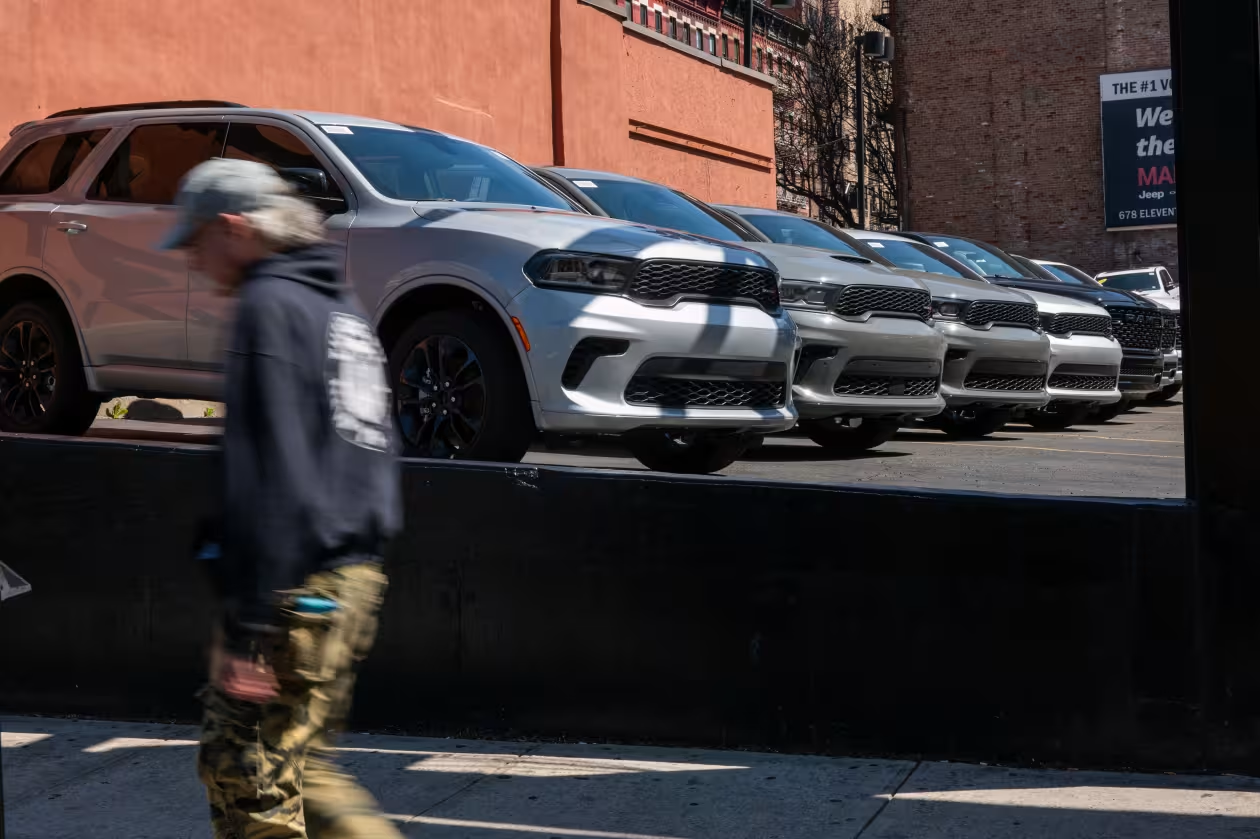
Hold on, automobile purchasers.
According to Wedbush analyst Dan Ives, the range of tariffs imposed by President Donald Trump will raise the cost of new cars by somewhere between $5,000 and $15,000.
Ives’s projection on Wednesday may make already costly cars even more unaffordable for many working Americans at a time when the average cost of new cars is close to $50,000 and auto loan interest rates are high.
Trump went into depth about his proposed tariff strategy on Wednesday afternoon. A minimum flat rate of 10% is applied, along with an additional reciprocal charge per nation equal to half of its tariffs on the United States. The administration has already implemented a number of additional levies. On Thursday, 25% vehicle import tariffs are expected to go into force.
Prior to Trump’s Rose Garden presentation, Ives predicted that new cars will cost between $5,000 and $10,000 more “out of the gates.”
According to Cox Automotive, the average price paid for a new automobile in February was $48,039 per transaction. A 10% increase would result from adding $5,000 to that price, but a 31% markup would result from adding $15,000.
To be fair, it is still unclear how much and when automobile prices would rise as a result of tariffs. However, Ives is among a number of analysts who see a difficult future for auto consumers.
According to Steve Man, senior industry analyst at Bloomberg Intelligence, tariffs will cause new cars to be marked up by between $3,500 and $10,000, depending on the model and make. According to iSeeCars, consumers will spend an additional $6,000 to $16,000 for new cars if the 25% tariffs are fully passed through to them.
One obstacle for consumers is the direct effect of tariffs on the base prices of automobiles. With rising borrowing costs, they may also have trouble obtaining auto loans. Experts predict that as insurance companies increase the cost of replacements in their premiums, the cost of auto insurance would also rise.
Wednesday has been named “liberation day” by the White House, which sees Trump’s tariffs as a means of promoting more jobs and American manufacturing.
In a recent interview with NBC News, Trump stated that he “couldn’t care less” if foreign automakers increased their pricing. “If they raise their pricing, consumers will purchase automobiles built in the United States, so I hope they do. He remarked, “We have plenty.”
Ives, however, is dubious. “We stress that the concept of a U.S. carmaker with parts all from the U.S. is a fictional tale that does not exist and would take years to make this concept a reality,” he stated. Ives noted that bringing just 10% of the car supply chain to the United States would require three years and billions of dollars.
“The winner in our view from this tariff is no one,” he stated.
He pointed to Ferrari (RACE) as an example of how some automakers are already reacting quickly to the price increase. The Italian luxury sports car manufacturer said last month that imports of its vehicles would increase by up to 10% starting on Wednesday.
How tariffs might impact the cost of secondhand cars
As of February, Cox Automotive reported that the average listing price for a used automobile with over 70,000 kilometers was little more than $25,000.
Sean Tucker, chief editor at Kelley Blue Book, believes that tariffs on new automobiles and parts will likely increase the cost of used cars as purchasers who are unable to afford new cars turn to the used market.
Tucker stated that it is still unclear when and to what degree used car prices will increase. The lack of chips caused by the epidemic reduced the production of new cars and caused old car prices to skyrocket. The shortage of new automobiles during the pandemic has resulted in fewer used cars entering dealer lots, even if used car prices have now recovered.
Tucker does not want anyone to make a hasty choice to spend thousands of dollars on an automobile. But, he continued, “if you know you need a new car soon anyways, there’s a pretty good argument for acting as fast as you can.”
This report was contributed to by Victor Reklaitis.



