
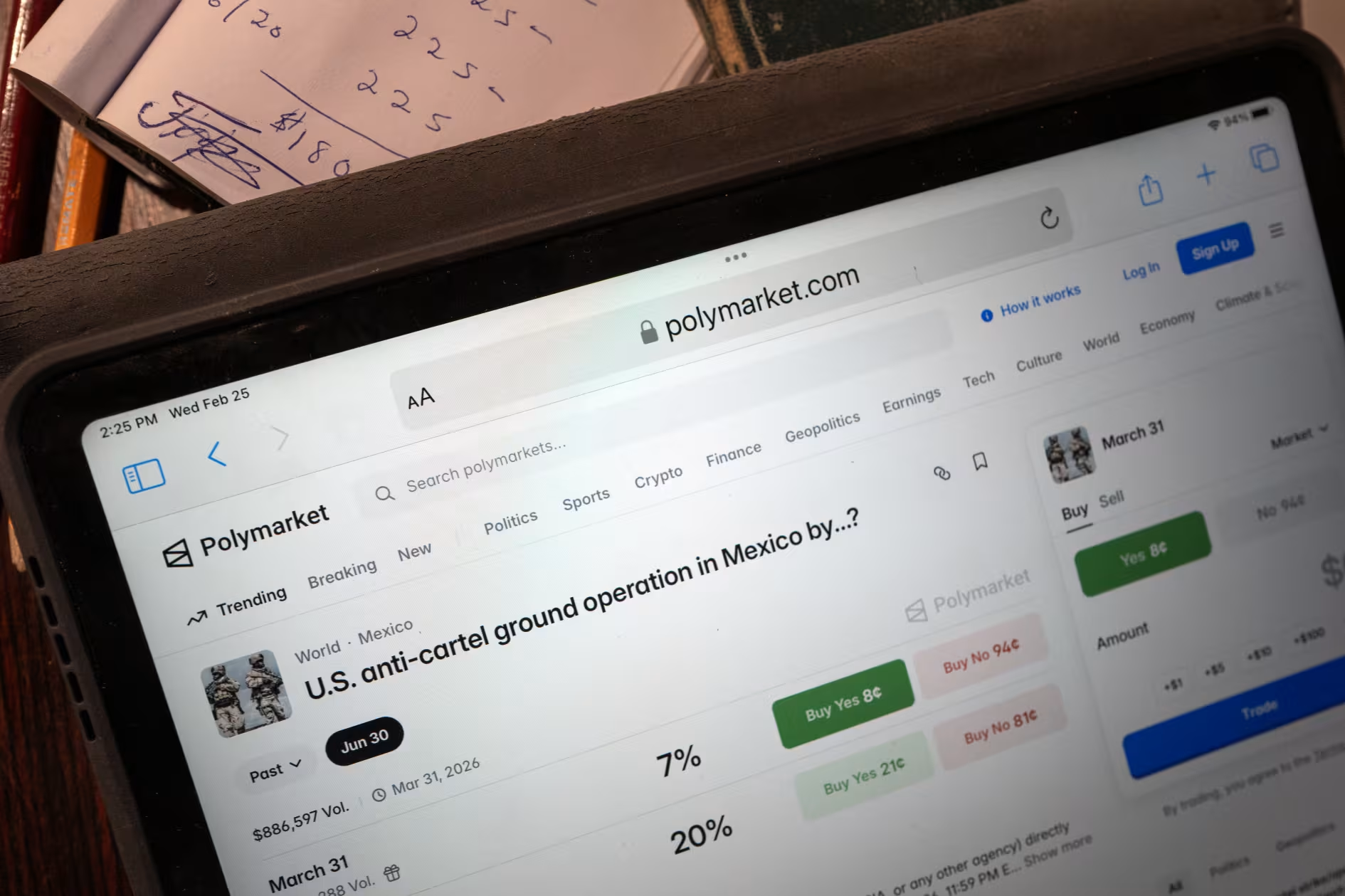
What Are Prediction Markets?
Prediction markets are online platforms that allow users to buy and sell shares tied to the outcomes of future events. Examples include Polymarket and Kalshi, which have become especially popular for geopolitical and political events.
Traders flocked to prediction markets to place bets this weekend as global markets were closed.
Surge in Activity During Iran Conflict
This past weekend saw unprecedented activity on prediction markets such as Polymarket and Kalshi. However, the platforms quickly faced a wave of criticism due to allegations of insider trading and the handling of highly sensitive markets related to the Iran conflict.
Allegations of Insider Trading
As the U.S. and Israeli strikes on Iran unfolded, some traders allegedly profited from advance knowledge of the attacks by placing large bets on prediction markets. These claims have sparked outrage and drawn the attention of lawmakers.With global markets closed, investors around the world turned to prediction markets and crypto-based decentralised exchanges like Hyperliquid to hedge risk or speculate on the outcomes and market impact of U.S. and Israeli strikes on Iran. Those attacks continued on Sunday. Iran has also retaliated against U.S. assets and allies in the region.
Key Points:
– Traders speculated on the market impact of U.S. and Israeli strikes on Iran
– Crypto-based exchanges like Hyperliquid experienced increased activity
– Prediction markets offered a way to hedge risk during global market closures
– Some markets, such as those tied to Ayatollah Khamenei’s leadership, saw particularly high volume
As tensions mounted in the days ahead of the attacks, traders flocked to both prediction markets to place bets on an expected conflict with Iran. Some markets tied to an expected conflict, like whether Iran’s Ayatollah Khamenei would soon be out as leader, proved particularly popular and were promoted by both Kalshi and Polymarket.
Lawmaker and Public Reactions
On social media platforms like X, accusations emerged that certain individuals used inside information to place profitable bets. Similar accusations have surfaced in previous geopolitical events, such as the U.S. strike on Venezuela.
“It’s insane this is legal. People around Trump are profiting off war and death. I’m introducing legislation ASAP to ban this,” said Connecticut Sen. Chris Murphy, in a post on X responding to some of these claims.
Senator Chris Murphy and Representative Mike Levin highlighted the case of a Polymarket account, “Magamyman,” which reportedly earned $515,000 in a single day by betting on the U.S. strike against Iran. Lawmakers are now calling for tighter regulations or outright bans on such markets.
Arizona Sen. Ruben Gallego also commented on Levin’s post: “Insider trading in broad daylight. This should be illegal, no question. Pricks like this are cashing in on our service members dying. Disgusting and immoral,” he said. Three U.S. service members have been killed in action since the strikes began, and five more were seriously wounded, the U.S. military said on Sunday.
The White House didn’t respond to a request for comment from MarketWatch. But a White House spokesman told the Wall Street Journal that “the only special interest guiding the Trump administration’s decision-making is the best interest of the American people.”
Legal and Regulatory Concerns
Some jurisdictions have already begun prosecuting individuals for insider betting on international conflicts. Earlier this month, Israel arrested army reservists accused of using sensitive information to place bets on prediction markets tied to strikes against Iran.
Meanwhile, Kalshi faced controversy over its promotion and handling of a market tied to the fate of Iran’s supreme leader, Ayatollah Ali Khamenei. Khamenei was killed in the U.S. and Israeli strikes, Iranian state media confirmed on Saturday.
The Commodity Futures Trading Commission (CFTC), which regulates Kalshi, prohibits bets on wars or assassinations. Nonetheless, critics argue that markets speculating on the fate of Iran’s Supreme Leader acted as a proxy for such prohibited activities.
Amanda Fischer, former chief of staff at the Securities and Exchange Commission, commented that such markets essentially offer a proxy for assassination betting, raising further ethical and legal questions.
Platform Response and User Backlash
Kalshi CEO Tarek Mansour publicly defended the company’s actions, announcing refunds of all fees related to the controversial markets and stating that bets would be settled at the last-traded price prior to Khamenei’s confirmed death. Despite these measures, many users expressed frustration and disappointment, arguing the resolution was unfair.## Conclusion: The Future of Prediction Markets and Regulation
The recent controversies surrounding prediction markets during the Iran conflict have intensified debates about their role in financial speculation and global events. While these platforms offer innovative ways for traders to hedge risk and speculate, the potential for insider trading and ethical concerns about betting on sensitive events demand stronger oversight. The coming months will likely see increased scrutiny and possible regulatory action to address these challenges.



