
Profiles in Crypto: A Look at the Top Performing Cryptocurrencies of 2022
The cryptocurrency market has always been a hotbed of innovation and speculation. In 2022, this dynamic arena was no exception, with several cryptocurrencies standing out in terms of performance and adoption. In this detailed analysis, we’ll explore the top-performing cryptocurrencies of 2022, examining their market behaviors, technological advancements, and the factors that fueled their meteoric rises.
The Resilient Bitcoin: A Constant Leader
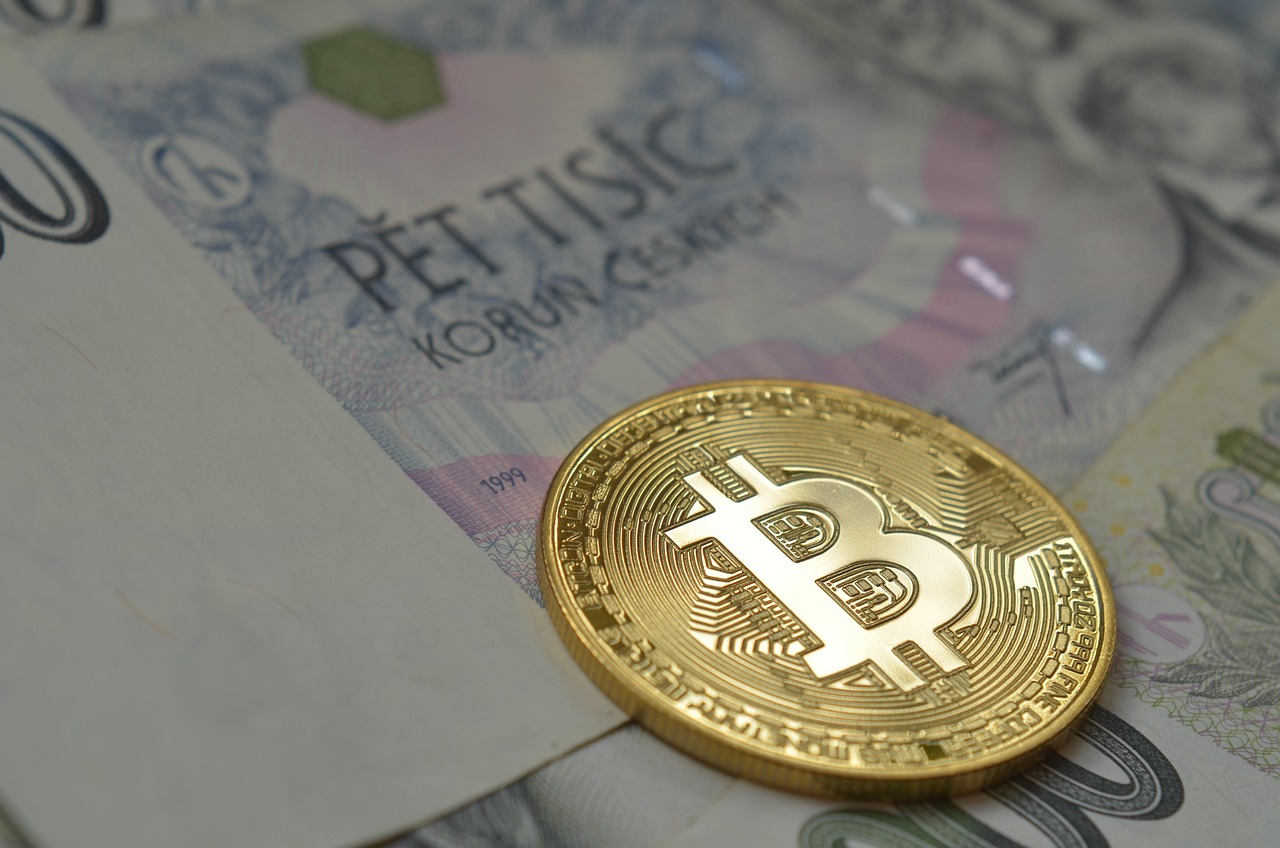
Bitcoin, the pioneer of digital currencies, continued to lead the market in 2022. Despite the volatile market conditions, Bitcoin demonstrated remarkable resilience, maintaining its position as the most valuable cryptocurrency by market capitalization. One of the key factors contributing to Bitcoin’s sustained prominence is its widespread adoption and acceptance as a legitimate asset class by institutional investors.
As more companies and financial institutions integrated Bitcoin into their portfolios, its value was buoyed by increased demand and limited supply—a principle rooted in its halving mechanism. This mechanism ensures that the rewards for mining Bitcoin are cut in half approximately every four years, ultimately leading to a decrease in the issuance rate of new coins. Consequently, Bitcoin’s scarcity continues to drive its allure as a digital store of value, akin to gold.
Ethereum’s Continued Evolution
Ethereum, the second-largest cryptocurrency by market cap, also had a significant year. The platform’s transition from a proof-of-work to a proof-of-stake consensus mechanism—known as “The Merge”—was a monumental milestone. This shift not only reduced Ethereum’s energy consumption but also set the stage for future scalability improvements.
The introduction of Ethereum 2.0 has been critical in addressing the network’s scalability issues, enabling faster and more cost-effective transactions. This evolution has further cemented Ethereum’s status as the leading platform for decentralized applications (DApps) and smart contracts, driving increased developer interest and investment in the ecosystem.
Solana: The Rising Star
Solana emerged as one of the standout performers in 2022, capturing attention with its lightning-fast transaction speeds and low fees. Designed to support high-throughput applications, Solana’s architecture enables it to handle thousands of transactions per second, making it a preferred choice for developers and users alike.
Solana’s growth was bolstered by a thriving ecosystem of DApps and Web 3.0 applications. Its scalability and efficiency attracted numerous projects, ranging from decentralized finance (DeFi) platforms to non-fungible token (NFT) marketplaces, contributing to its rapid ascent in the crypto rankings.
Cardano: A Focus on Sustainability and Governance
Cardano continued to make waves in 2022, driven by its emphasis on sustainability and robust governance mechanisms. Unlike many other cryptocurrencies, Cardano employs a research-driven approach to development, ensuring that each upgrade is underpinned by scientific research and peer-reviewed methodologies.
The launch of smart contract functionality on Cardano’s blockchain opened new horizons for DeFi and DApp development. With a strong focus on interoperability and scalability, Cardano aims to provide a secure and sustainable blockchain platform, positioning itself as a viable competitor to Ethereum and other smart contract platforms.
Polkadot: Bridging Blockchains
Polkadot’s unique multi-chain architecture allows it to connect multiple blockchains, facilitating seamless communication and interoperability between different networks. This capability is particularly valuable in a landscape where the ability to transfer data and assets across various blockchains is becoming increasingly crucial.
In 2022, Polkadot’s ecosystem expanded significantly, with the launch of several parachains—independent blockchains that run alongside the main network. These developments have amplified Polkadot’s appeal as a versatile and scalable solution for developers looking to build cross-chain applications.
Conclusion: The Ever-Evolving Crypto Landscape

The cryptocurrency market in 2022 showcased a diverse range of top performers, each with unique strengths and innovations. From Bitcoin’s role as a digital gold to Ethereum’s scalable and energy-efficient network, the leading cryptocurrencies have demonstrated their ability to adapt and thrive in a rapidly changing environment.
As the market continues to evolve, these cryptocurrencies, along with emerging players like Solana, Cardano, and Polkadot, are likely to shape the future of finance and technology. Investors and enthusiasts alike will need to stay informed about the latest developments, as the crypto space promises to remain a dynamic and exciting arena for years to come.
For those looking to delve deeper into the world of cryptocurrencies, it’s essential to understand the nuances of each digital asset and the factors driving their growth. By staying informed and engaged, you can navigate the complexities of the market and potentially capitalize on the opportunities it presents.
Decentralized Finance (DeFi) and NFTs: Catalysts for Growth
The rise of decentralized finance (DeFi) and non-fungible tokens (NFTs) has been another driving force behind the success of many cryptocurrencies in 2022. DeFi platforms have revolutionized traditional financial services by offering decentralized alternatives to lending, borrowing, and trading. These platforms rely heavily on smart contract technologies, primarily hosted on Ethereum, but increasingly supported by other blockchain networks like Solana and Binance Smart Chain.
The explosion of NFTs has also contributed to the significant growth of blockchain use cases. NFTs, which are unique digital assets verified using blockchain technology, have created new opportunities for artists, creators, and collectors. This segment has seen a remarkable increase in activity and adoption, with NFT marketplaces facilitating the trade of digital art, music, and virtual real estate.
Regulatory Landscape and Institutional Adoption
In 2022, the regulatory landscape for cryptocurrencies continued to evolve, with governments worldwide seeking to establish frameworks to govern digital assets. While some countries embraced cryptocurrencies with favorable regulations, others imposed stringent rules, reflecting a global patchwork of approaches. Understanding and navigating these regulatory environments have become crucial for investors and developers.

Institutional adoption of cryptocurrencies also gained momentum, with more financial institutions and corporations recognizing the potential of digital assets. From integrating blockchain technology into business operations to holding cryptocurrencies as part of their treasury, institutions have played a pivotal role in legitimizing and driving the market forward.
Challenges and Opportunities Ahead
Despite the successes of 2022, the cryptocurrency market faces several challenges that could impact its trajectory. Security concerns, such as hacks and vulnerabilities in smart contracts, remain a significant issue. Moreover, scalability and energy consumption continue to be points of contention, particularly for older blockchain networks.
However, these challenges present opportunities for innovation. Emerging technologies like layer 2 solutions, which aim to increase transaction throughput without compromising security, are gaining traction. Additionally, ongoing research into more sustainable consensus mechanisms promises to address concerns regarding the environmental impact of blockchain operations.
The Role of Community and Open Source Development
The open source nature of blockchain projects has been instrumental in fostering a collaborative environment where developers and enthusiasts can contribute to the growth and improvement of the technology. Communities play a vital role in the success of cryptocurrencies, providing support, governance, and innovation through decentralized autonomous organizations (DAOs) and other collaborative efforts.
These communities are not just passive observers but active participants in shaping the future of blockchain technology. From proposing upgrades to developing new applications, the collective effort of the community is a testament to the decentralized ethos that underpins cryptocurrencies.
Final Thoughts: Embracing the Future of Digital Finance
The top-performing cryptocurrencies of 2022 have demonstrated that the digital finance landscape is rapidly evolving, with blockchain technology at its core. As the market continues to mature, it will be crucial for investors, developers, and enthusiasts to remain informed and adaptable to the changing dynamics.
The potential for cryptocurrencies to revolutionize various industries, from finance to art, remains vast. By understanding the trends and innovations driving the market, stakeholders can position themselves to take advantage of the opportunities that lie ahead. As we move forward, the continued collaboration and innovation within the crypto community will undoubtedly shape the future of this exciting and transformative space.
Education and Awareness: Bridging the Knowledge Gap
As cryptocurrencies become increasingly mainstream, education and awareness are essential for both new and experienced investors. Understanding the fundamentals of blockchain technology, the mechanics of different cryptocurrencies, and the implications of market trends can empower individuals to make informed decisions.
Various platforms and organizations are working to bridge the knowledge gap by offering resources, courses, and seminars on cryptocurrencies and blockchain technology. These educational initiatives are crucial in demystifying the complex nature of digital assets and in fostering a more inclusive and knowledgeable community.
Future Trends: What to Watch For
Looking ahead, several trends are likely to shape the future of cryptocurrencies. One significant development is the integration of blockchain with other emerging technologies, such as artificial intelligence and the Internet of Things (IoT). These integrations have the potential to enhance the capabilities of blockchain networks, leading to more sophisticated applications and use cases.
Furthermore, the concept of the metaverse—a virtual universe powered by blockchain technology—is gaining traction. Digital currencies and NFTs are set to play a central role in these immersive environments, facilitating transactions and ownership in virtual spaces.
Cross-Border Payments and Financial Inclusion
Cryptocurrencies also hold the promise of revolutionizing cross-border payments and advancing financial inclusion. By providing a decentralized and cost-effective means of transferring money across borders, digital currencies can reduce the friction and fees associated with traditional remittance services. This development is particularly impactful for people in developing countries who lack access to conventional banking services.
Additionally, stablecoins—cryptocurrencies pegged to stable assets like the US dollar—are emerging as viable options for everyday transactions, offering the benefits of digital currency while mitigating the volatility typically associated with cryptocurrencies. Their adoption could significantly enhance financial inclusion, providing a stable and accessible medium of exchange.
Engaging with the Crypto Community
For anyone interested in the cryptocurrency space, engaging with the vibrant crypto community can provide valuable insights and opportunities. Platforms like Reddit’s cryptocurrency forums, Twitter, and specialized crypto chat groups offer spaces for discussion, debate, and collaboration. Participation in these communities can help individuals stay informed about the latest developments and trends.
As the market continues to change, staying connected with industry leaders and enthusiasts can offer a deeper understanding of the challenges and innovations within the space, as well as potential investment opportunities.
Conclusion: A Dynamic Future for Cryptocurrencies
The profiles of the top-performing cryptocurrencies in 2022 highlight a market that is both dynamic and resilient. With technological advancements, increased institutional interest, and growing mainstream acceptance, the future of cryptocurrencies looks promising. However, it is a landscape that demands continuous learning and adaptation.
As we move forward, the interplay between regulation, innovation, and community engagement will be critical in shaping the path of digital currencies. Whether you’re an investor, developer, or enthusiast, the cryptocurrency market offers a wealth of opportunities to explore, innovate, and contribute to the future of finance.
In embracing this rapidly evolving space, one must remain vigilant, informed, and open to the possibilities that lie ahead. The journey of cryptocurrencies is far from over, and the next chapters promise to be as exciting and transformative as the ones we’ve witnessed so far.



