
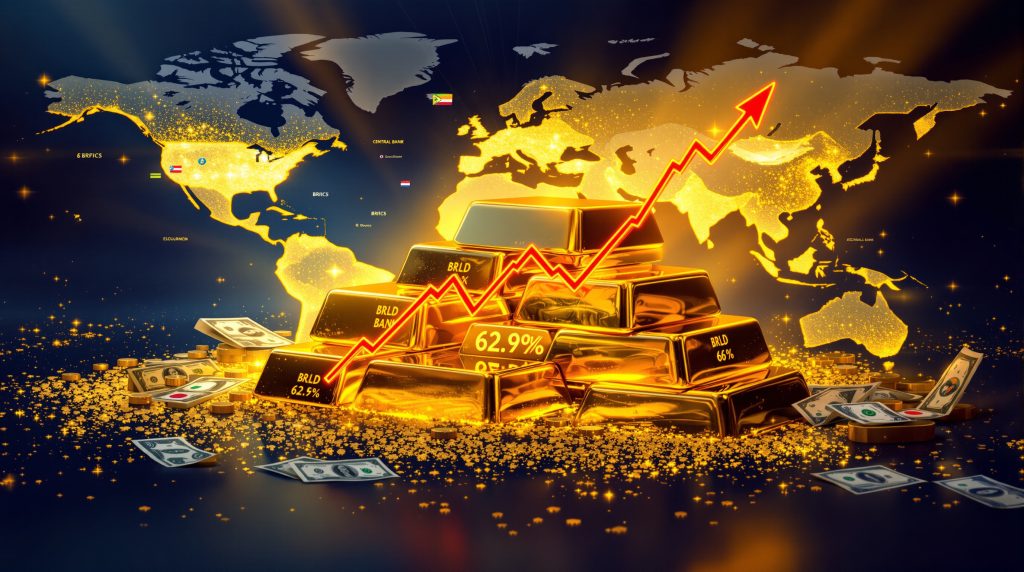
The Influence of Political Instability on Gold and Other Precious Metal Prices
Political instability has long been a significant factor influencing global markets, particularly the prices of commodities such as gold and other precious metals. Understanding this relationship is crucial for investors, policymakers, and economists alike, as it affects decisions and forecasts across the globe. This article delves into the intricate connections between political events and precious metal markets, exploring historical examples, economic theories, and current implications.
Understanding the Role of Gold and Precious Metals in the Global Economy
Gold and precious metals like silver, platinum, and palladium have been valued for centuries, not only for their aesthetic qualities but also for their role as a store of value. Traditionally, gold has been used as a hedge against inflation and currency devaluation, making it an attractive investment during times of economic uncertainty. This intrinsic value is why many investors flock to gold during periods of political turmoil.
For instance, the gold standard system, which was prevalent until the mid-20th century, tied the value of currencies directly to gold. Although this system is no longer in use, the historical significance of gold continues to influence its role in today’s markets.
Impact of Political Instability on Gold Prices
Political instability can take many forms, including war, government transitions, social unrest, and geopolitical tensions. These events often lead to economic uncertainty, prompting investors to seek safe-haven assets like gold. The correlation between political instability and rising gold prices is evident in several historical instances:
- The 1970s Oil Crisis: The geopolitical tensions during the 1970s, particularly the oil embargo imposed by OPEC, led to economic stagnation and inflation. Gold prices soared as investors sought to protect their wealth from currency depreciation.
- The 2008 Financial Crisis: While primarily an economic event, the financial crisis also led to political repercussions and uncertainty. Gold prices surged as investors turned to it as a safe haven from volatile stock markets and failing banks.
- Brexit: The UK’s decision to leave the European Union created significant political and economic uncertainty, leading to fluctuations in currency values and a rise in gold prices as investors sought stability.
These examples illustrate the consistent pattern of gold prices reacting to political uncertainty, reinforcing its status as a reliable hedge against instability.
Influence on Other Precious Metals
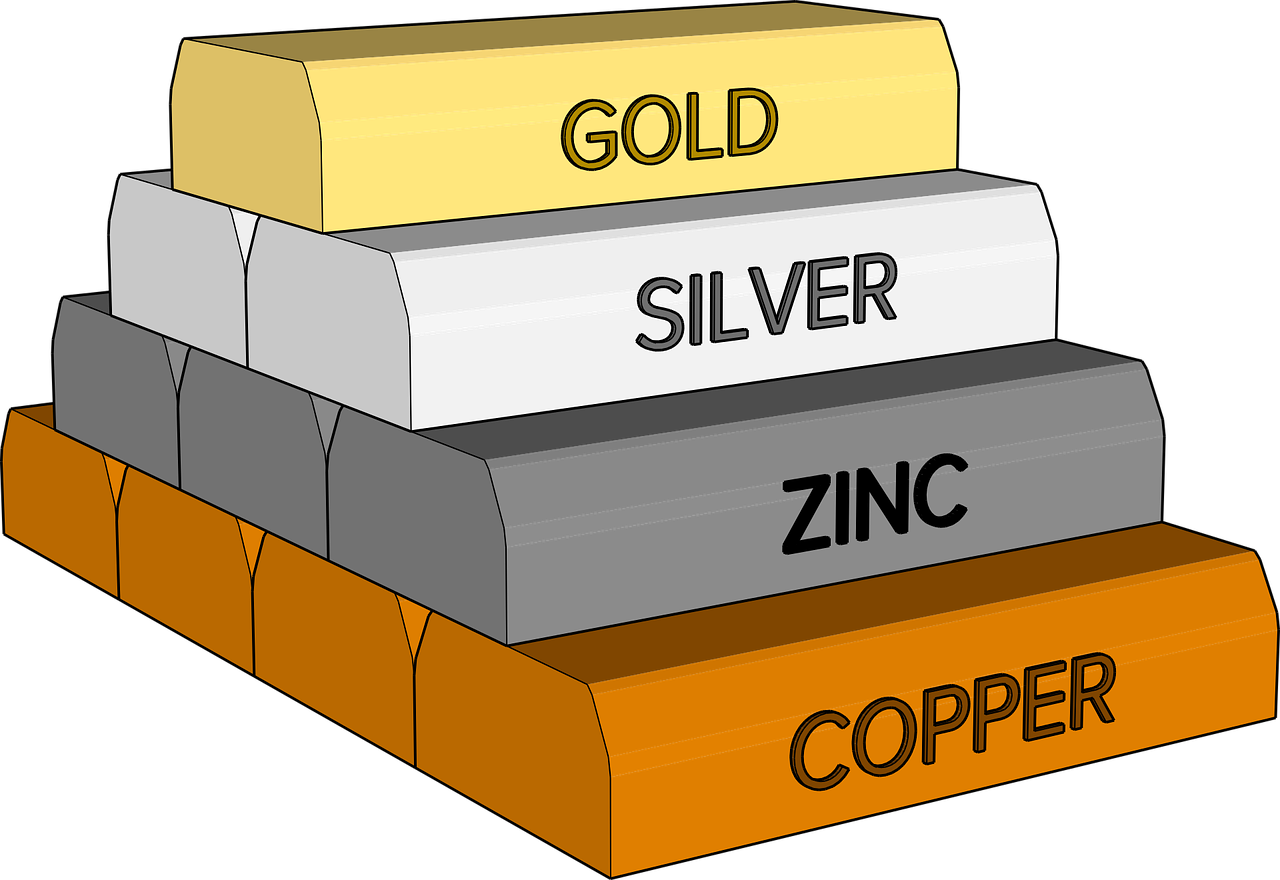
While gold is often the focal point during times of instability, other precious metals like silver, platinum, and palladium also experience price fluctuations. The reasons behind these movements can differ slightly due to their industrial applications and market dynamics:
- Silver: Often considered the “poor man’s gold,” silver prices can be influenced by both industrial demand and investment sentiment. During political turmoil, silver often follows gold’s lead, albeit with more volatility due to its dual nature as both a precious and industrial metal.
- Platinum and Palladium: These metals are heavily used in the automotive industry for catalytic converters. While political instability can affect their prices due to shifts in manufacturing and trade policies, their market is also influenced by supply constraints from politically volatile regions, such as South Africa.
The interplay between political events and these metals demonstrates the nuanced relationship that exists beyond the traditional gold market.
Current Geopolitical Landscape and Precious Metal Prices
In today’s interconnected world, political instability is ever-present. From trade wars and sanctions to conflicts and changing alliances, these factors can influence commodity markets in complex ways. In recent years, several key trends have emerged:
- Trade Wars: The ongoing trade tensions between the United States and China have led to uncertainties in global markets. Investors often turn to gold during such periods, pushing prices higher as a counterbalance to potential economic disruptions.
- Middle East Conflicts: The geopolitical turmoil in the Middle East, particularly with tensions involving countries like Iran, can lead to fluctuations in oil prices, which in turn affect precious metals due to their correlation with energy markets.
- Currency Fluctuations: Political instability often results in volatile currency markets. As currencies weaken, investors may flock to gold and other precious metals to preserve purchasing power.
These contemporary examples highlight the ongoing relevance of political events in shaping precious metal markets, emphasizing the need for investors to stay informed about global affairs.
Strategies for Investors in Times of Political Instability
Given the influence of political instability on precious metal prices, investors must adopt strategic approaches to mitigate risks and capitalize on potential opportunities. Some effective strategies include:
- Diversification: Diversifying investments across various asset classes, including precious metals, can help manage risk during uncertain times. This approach ensures that a portion of the portfolio remains stable, even if other sectors experience volatility.
- Monitoring Geopolitical Developments: Staying informed about political events and potential risks can help investors make timely decisions, adjusting their portfolios to reflect changing market dynamics.
- Long-term Perspective: While short-term fluctuations can be driven by political instability, a long-term investment perspective in precious metals can provide stability and growth, especially when used as a hedge against inflation and currency devaluation.
By employing these strategies, investors can navigate the challenges posed by political instability and safeguard their portfolios from adverse impacts.
Takeaways
The influence of political instability on gold and other precious metal prices is profound and multifaceted. As history has shown, periods of uncertainty often lead to increased demand for these commodities, driving prices upward. While gold remains the primary safe-haven asset, other metals like silver, platinum, and palladium also experience significant price movements due to their unique market dynamics.
In today’s volatile geopolitical climate, understanding the relationship between political events and precious metal markets is more critical than ever. By staying informed and adopting strategic investment approaches, individuals and organizations can navigate these challenges and capitalize on the opportunities presented by political instability.
For those interested in exploring further, resources like the World Gold Council offer valuable insights into gold market trends and dynamics, while the London Metal Exchange provides comprehensive data on other precious metals. These platforms are excellent starting points for anyone looking to deepen their understanding of this complex and ever-evolving subject.
Future Outlook: Political Instability and Precious Metals
As we look to the future, the influence of political instability on gold and other precious metal prices will likely continue to be a significant factor. Several emerging trends and potential scenarios could shape this relationship:
- Climate Change and Resource Scarcity: Political instability driven by climate change and the scarcity of natural resources could lead to increased competition for essential commodities. As governments and industries adapt to these challenges, the demand for precious metals used in renewable energy technologies may rise, affecting their prices.
- Technological Advancements: Innovations in mining and metal processing technologies could alter the supply dynamics for precious metals, influencing how political events impact their prices. Advancements in recycling and alternative materials might also play a role in moderating price fluctuations.
- Monetary Policies and Inflation: Central bank policies, particularly in response to economic crises, can affect inflation rates and currency values. As a hedge against inflation, gold and other precious metals may see increased demand as investors seek to preserve their wealth in uncertain economic environments.

These factors underscore the importance of ongoing research and analysis in understanding the future interplay between political instability and precious metal markets. Investors and policymakers alike must remain vigilant to adapt to these evolving conditions.
The Role of Central Banks and Governments
Central banks and governments play a crucial role in shaping the relationship between political instability and precious metal prices. Their actions can either stabilize markets or contribute to further uncertainty:
- Gold Reserves Management: Central banks hold significant gold reserves, which they may buy or sell based on their economic strategies. Such actions can directly impact gold prices and influence market perceptions of stability.
- Monetary Policy and Economic Stimulus: In times of political or economic turmoil, governments may implement monetary policies or stimulus packages to stabilize their economies. These measures can affect currency values and inflation rates, indirectly influencing precious metal prices.
- Regulatory Environment: The regulatory environment surrounding mining and metal trading can also impact supply and demand dynamics. Policy changes in key mining regions can lead to shifts in production levels and market prices.
The actions of central banks and governments can serve as both stabilizing and destabilizing forces in the precious metals markets, reflecting their complex role in global economics.
Investor Sentiment and Behavioral Economics

The impact of political instability on precious metal prices is also heavily influenced by investor sentiment and behavioral economics. Understanding how these psychological factors play into market dynamics is essential:
- Fear and Uncertainty: During times of political instability, fear and uncertainty can drive investors to seek safe-haven assets, leading to increased demand for gold and other precious metals. This behavior is often driven by emotional responses rather than purely rational decision-making.
- Market Speculation: Speculative trading can amplify price movements in precious metals, as traders react to perceived risks and opportunities. Such speculative behavior can lead to heightened volatility during politically unstable periods.
- Herd Behavior: Investors often follow the actions of others, especially during uncertain times. This herd behavior can lead to rapid price increases or decreases in precious metals, as market participants react to collective sentiment rather than individual analysis.
Recognizing the role of behavioral economics in precious metal markets can provide valuable insights into market trends and investor decision-making processes.
Conclusion: Navigating the Complex Terrain
The relationship between political instability and the prices of gold and other precious metals is complex and multifaceted. As we’ve explored, this connection is influenced by historical patterns, current geopolitical events, central bank policies, and investor behavior. For those engaged in the precious metals markets, understanding these dynamics is crucial for making informed decisions in an ever-changing global landscape.
To stay ahead of potential shifts in precious metal prices, investors should remain informed about geopolitical developments, economic policies, and market trends. By leveraging a combination of historical analysis, strategic diversification, and an awareness of behavioral economics, individuals and institutions can better navigate the challenges and opportunities presented by political instability.
For further exploration of these themes, resources such as the International Monetary Fund’s research publications and the Kitco News platform offer valuable insights and analyses. These tools can aid in understanding the ongoing influence of political events on precious metal markets, equipping investors with the knowledge needed to thrive in uncertain times.



