
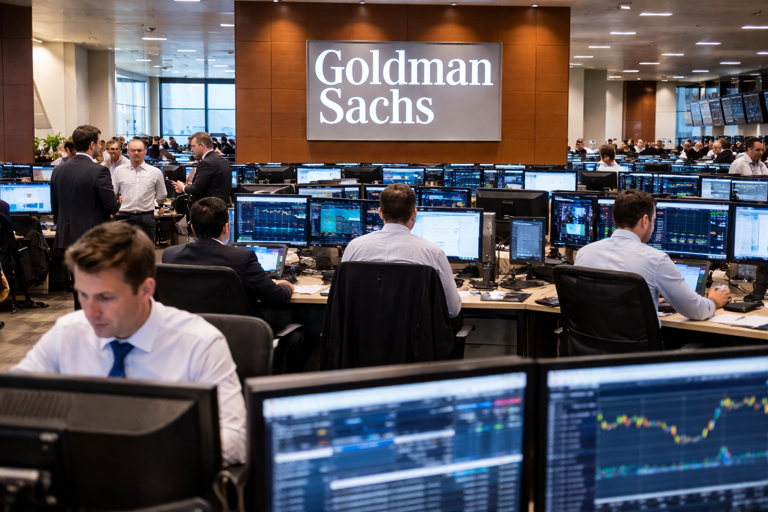
Understanding the Recent Downturn in Goldman Sachs‘ Stock
Goldman Sachs, one of the leading global investment banking and financial services firms, has made headlines with its recent earnings report. Contrary to investor expectations, Goldman Sachs did not deliver the blowout earnings anticipated by market analysts, resulting in a decline in its stock value. This development has sparked discussions among investors, analysts, and financial commentators about the potential reasons behind this underperformance and its implications for the future.
The Anticipation and Reality: A Comparative Analysis
For months, investors had been eagerly awaiting Goldman Sachs’ earnings announcement, hoping for a continuation of the robust financial performance that has characterized the firm in recent years. The expectations were buoyed by a series of strong performances in various sectors, such as investment banking and asset management. However, the actual earnings report presented a different picture, leading to a significant drop in the stock price.
To grasp the impact of Goldman Sachs’ earnings miss, it’s crucial to understand the expectations set by Wall Street analysts. Many had predicted a substantial increase in earnings per share (EPS), driven by the firm’s diversified investment portfolio and strategic initiatives in emerging markets. However, the reported EPS fell short, prompting a reactionary sell-off among shareholders.
Factors Behind Goldman Sachs’ Earnings Miss
Several factors contributed to the earnings miss experienced by Goldman Sachs, each playing a unique role in shaping the overall financial outcome. Below we explore some of these contributing variables:
1. Volatility in the Global Markets

The global financial markets have been experiencing unprecedented volatility due to geopolitical tensions, inflation concerns, and the ongoing impact of the COVID-19 pandemic. Such volatile conditions can affect trading revenues and investment banking activities, which are core components of Goldman Sachs’ business model. The unexpected market fluctuations may have led to lower-than-expected returns on investments, impacting the firm’s profitability.
2. Regulatory Challenges
Financial institutions like Goldman Sachs are subject to stringent regulatory frameworks that govern their operations. Recent regulatory changes and increased scrutiny on banking practices may have resulted in higher compliance costs and operational constraints, further influencing the financial outcomes reported in the earnings release.
3. Decline in Investment Banking Profits
Investment banking, a key revenue driver for Goldman Sachs, witnessed a decline in profits. This drop may have been caused by a slowdown in mergers and acquisitions activity, a reduction in initial public offerings (IPOs), and challenges in deal-making amid economic uncertainty. These factors collectively contributed to the below-expected earnings.
Strategic Responses and Implications for Investors
In response to the earnings miss, Goldman Sachs is likely to implement strategic measures aimed at mitigating future risks and improving financial performance. For investors, understanding these strategies can be crucial for making informed decisions regarding their portfolios.
1. Diversification and Innovation
Goldman Sachs may intensify its focus on diversifying its revenue streams and investing in innovative technologies. By expanding its digital banking services and exploring fintech solutions, the firm could tap into new markets and enhance its competitive edge.
2. Strengthening Risk Management
Enhancing risk management practices will be vital for Goldman Sachs to navigate the turbulent financial landscape. Implementing sophisticated risk assessment tools and strategies can help the firm better anticipate market changes and protect its financial interests.

3. Focus on Sustainable Investing
As global awareness of environmental, social, and governance (ESG) factors grows, Goldman Sachs may increase its emphasis on sustainable investing. By integrating ESG criteria into its investment processes, the firm can align its strategies with the demands of socially conscious investors and adapt to evolving market trends.
The Broader Impact on the Financial Industry
Goldman Sachs’ earnings miss not only affects the company and its shareholders but also has broader implications for the financial industry. As a prominent player in the sector, the firm’s performance can influence market sentiment and investor confidence.
1. Sector-Wide Reactions
The underwhelming earnings report from Goldman Sachs may prompt other financial institutions to reassess their strategies and expectations. It could lead to a ripple effect across the industry, affecting stock prices and investment decisions in the short term.
2. Investor Sentiment and Market Volatility
Investor sentiment is highly sensitive to the performance of major financial firms. A significant earnings miss by Goldman Sachs may contribute to increased market volatility and cautious investor behavior, with potential impacts on asset allocation and risk appetite.
3. Potential Regulatory Adjustments
The financial industry’s response to earnings challenges may also prompt regulatory bodies to reevaluate existing frameworks. As firms adapt to economic shifts, regulatory agencies might introduce adjustments to ensure stability and compliance within the sector.
Conclusion: Evaluating the Road Ahead for Goldman Sachs

While Goldman Sachs’ recent earnings miss has caused a downturn in its stock value, it is essential to recognize that the firm possesses a resilient foundation and the resources to navigate challenges effectively. Through strategic diversification, enhanced risk management, and sustainable investing initiatives, Goldman Sachs can position itself for long-term success amidst market fluctuations.
For investors, understanding the underlying factors behind the earnings miss and the firm’s strategic responses can inform decision-making processes and investment strategies. While the short-term impact may be unsettling, the broader financial landscape and Goldman Sachs’ adaptability offer opportunities for growth and recovery.
Ultimately, the financial industry remains dynamic and subject to change, with firms like Goldman Sachs at the forefront of shaping its trajectory. By staying informed and proactive, investors can navigate the complexities of the market and capitalize on potential opportunities that arise.
Long-Term Outlook and Investor Considerations
Despite the immediate reaction to Goldman Sachs’ earnings report, it is crucial for investors to maintain a long-term perspective. The fluctuations in stock prices, driven by quarterly earnings, often do not reflect the intrinsic value or future potential of a company. Here are some factors to consider when evaluating the long-term outlook of Goldman Sachs:
1. Institutional Strength and Market Position
Goldman Sachs has consistently demonstrated its ability to adapt and thrive in a competitive financial environment. Its institutional strength, established brand, and extensive global network provide a solid foundation for future growth. Investors should consider the firm’s market position and its ability to leverage its resources to capitalize on emerging opportunities.
2. Emphasis on Digital Transformation
In an increasingly digital world, Goldman Sachs is investing in technological advancements and digital transformation. The firm is expanding its online banking services and exploring partnerships with fintech companies to enhance customer experience and operational efficiency. These efforts could lead to new revenue streams and improved margins in the future.

3. Commitment to Corporate Responsibility
Goldman Sachs has made significant strides in corporate social responsibility, focusing on initiatives that promote diversity, inclusion, and environmental sustainability. By aligning its operations with ethical and sustainable practices, the firm can cater to a growing segment of socially conscious investors, enhancing its reputation and attracting long-term investments.
Comparative Analysis with Industry Peers
For a comprehensive understanding of Goldman Sachs’ position, it is beneficial to compare its performance and strategies with its industry peers. This analysis can provide insights into the firm’s competitive advantages and areas for improvement.
1. Performance Metrics
Comparing key performance metrics, such as return on equity (ROE), net profit margins, and cost efficiency, with those of other leading financial institutions can highlight Goldman Sachs’ strengths and weaknesses. Investors should assess whether the firm’s financial ratios align favorably with industry standards.
2. Strategic Initiatives
Examining the strategic initiatives undertaken by Goldman Sachs in comparison to its peers can reveal the firm’s unique approaches to growth and innovation. This analysis can highlight areas where Goldman Sachs excels or lags behind, providing valuable information for investors considering sector-specific investments.
3. Market Sentiment and Trends
Understanding market sentiment and trends affecting the financial industry as a whole can help investors gauge potential challenges and opportunities for Goldman Sachs. Factors such as interest rate fluctuations, changes in consumer behavior, and advancements in financial technology may influence the firm’s future trajectory.
Risk Factors and Mitigation Strategies
Investors must also consider the inherent risks associated with investing in a financial institution like Goldman Sachs. Identifying these risks and the firm’s strategies for mitigating them is crucial for making informed investment decisions.

1. Economic and Geopolitical Risks
Global economic conditions and geopolitical events can significantly impact financial markets and, consequently, firms like Goldman Sachs. The firm must continuously assess these risks and develop contingency plans to navigate potential disruptions.
2. Regulatory Compliance and Legal Challenges
Compliance with evolving regulatory requirements and the potential for legal challenges pose ongoing risks for Goldman Sachs. The firm must allocate resources to maintain compliance, address legal issues, and minimize potential liabilities.
3. Cybersecurity Threats
As a major financial institution, Goldman Sachs is a prime target for cybersecurity attacks. Implementing robust security measures and investing in cybersecurity infrastructure are essential for safeguarding sensitive data and maintaining client trust.
Conclusion: Navigating the Complex Financial Landscape
In conclusion, while Goldman Sachs’ recent earnings miss has prompted concerns among investors, it is essential to view this event within the broader context of the firm’s long-term potential and strategic initiatives. By focusing on diversification, digital innovation, and sustainable practices, Goldman Sachs can continue to adapt to changing market dynamics and maintain its position as a leading financial institution.
For investors, understanding the multifaceted nature of the financial industry and the specific challenges and opportunities facing Goldman Sachs is crucial for making informed investment decisions. By considering the firm’s institutional strengths, strategic responses, and risk management strategies, investors can navigate the complex financial landscape and identify potential opportunities for growth and value creation.
Ultimately, while short-term market reactions may be volatile, a disciplined and informed approach to investing in Goldman Sachs can yield positive results over the long term, aligning with the firm’s ongoing commitment to innovation and excellence in the financial sector.



