Watch Out for More Tax Cuts — or Even Tax Hikes — as Republicans Try for Another Budget Bill
In the ever-evolving landscape of fiscal policy, tax cuts and hikes remain a pivotal topic of discussion among lawmakers and economists alike. As the Republican party gears up for another attempt at passing a budget bill, the potential for tax adjustments looms large. With a complex interplay of economic theories, political strategies, and public sentiment, these potential changes could significantly impact the economy at large. This post delves into the prospects of tax cuts and hikes, analyzing their implications and the political maneuvering involved.
Understanding the Republican Approach to Tax Policy
The Republican party has historically championed tax cuts as a means to stimulate economic growth. Rooted in supply-side economics, the belief is that reducing taxes for individuals and businesses can lead to increased investment, job creation, and overall economic expansion. This approach often involves cutting corporate taxes, reducing income tax rates, and eliminating certain deductions and loopholes.
One of the most significant examples of this approach was the Tax Cuts and Jobs Act of 2017, which was hailed by its proponents as a catalyst for economic growth. The act reduced the corporate tax rate from 35% to 21% and lowered individual income tax rates across various brackets. While supporters argue that it spurred economic activity, critics point out the increase in the federal deficit and the uneven distribution of benefits.
The Case for Tax Hikes
Contrary to tax cuts, tax hikes are often proposed as a means to address budget deficits and fund essential public services. With the federal deficit reaching alarming levels, some policymakers argue that increasing taxes, particularly on the wealthy and large corporations, is necessary to ensure fiscal sustainability.
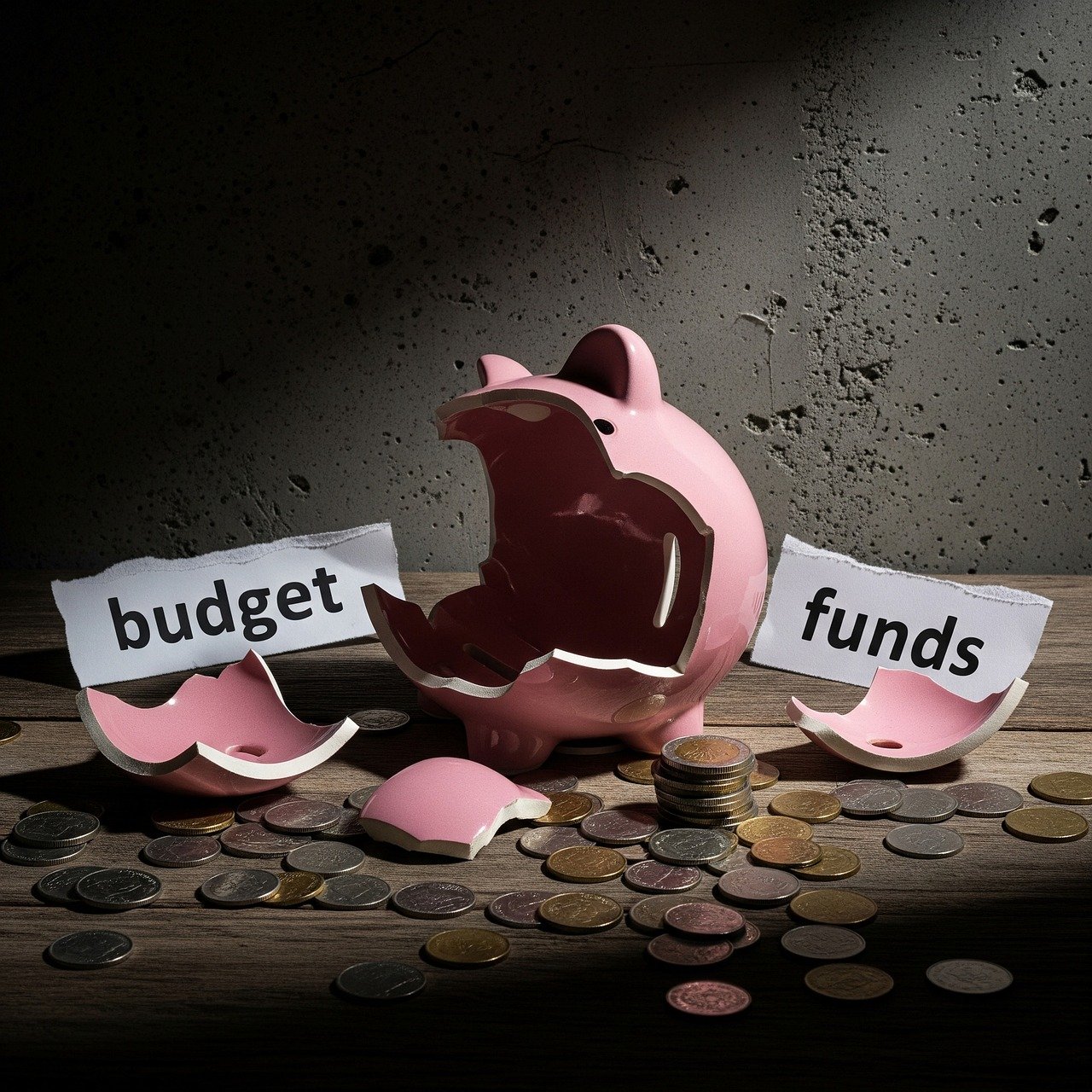
Recent discussions have centered around increasing the capital gains tax rate, raising corporate taxes, and implementing more progressive tax structures. Proponents of tax hikes argue that they can help address income inequality and provide necessary funding for healthcare, education, and infrastructure.
However, the political feasibility of tax hikes is often challenged. Research from the Brookings Institution highlights the complexities and potential economic impacts of implementing tax increases, emphasizing the need for a balanced approach.
Political Dynamics at Play
The debate over tax policy is not merely a matter of economic theory; it is deeply intertwined with political strategy. As Republicans seek to pass another budget bill, they must navigate a complex political landscape. With a divided Congress, garnering support for their fiscal agenda requires strategic negotiations and compromises.
Furthermore, public opinion plays a critical role in shaping tax policy. Surveys and polls often indicate varying levels of support for tax cuts versus tax hikes, influenced by factors such as economic conditions and political affiliations. Political leaders must carefully consider these dynamics to craft policies that resonate with their constituents.
Moreover, bipartisan cooperation is crucial in the legislative process. Recent history has shown that passing significant tax legislation often requires reaching across the aisle. This is particularly true if the proposed budget bill includes controversial measures that may face opposition from Democrats.
Economic Implications of Tax Cuts and Hikes
The potential economic implications of tax cuts and hikes are significant and multifaceted. On one hand, tax cuts can stimulate economic growth by increasing disposable income for consumers and lowering costs for businesses. This can lead to higher consumption, investment, and job creation.

However, the Congressional Budget Office has noted that tax cuts can also lead to increased budget deficits and national debt if not offset by corresponding spending cuts or revenue increases. This can have long-term implications for economic stability and interest rates.
Conversely, tax hikes can provide much-needed revenue for government programs and reduce budget deficits. By increasing taxes on high-income earners and corporations, the government can potentially address income inequality and fund critical services. Nevertheless, excessive tax increases may stifle economic growth and discourage investment.
The Path Forward: Balancing Growth and Fiscal Responsibility
As Republicans contemplate another budget bill, the challenge lies in balancing the goals of economic growth and fiscal responsibility. Crafting a comprehensive tax policy that addresses both short-term economic needs and long-term fiscal sustainability is no small feat.
While tax cuts may offer immediate economic benefits, they must be carefully designed to avoid exacerbating budget deficits. Similarly, tax hikes should be structured to minimize their impact on economic activity while ensuring adequate funding for essential services.
Ultimately, achieving this balance requires a collaborative effort among lawmakers, economists, and stakeholders. Engaging in open dialogue and considering diverse perspectives can help create a tax policy that supports both economic growth and fiscal health.
Conclusion: Navigating the Uncertain Future of Tax Policy
The prospect of tax cuts or hikes as Republicans pursue another budget bill underscores the dynamic and often contentious nature of tax policy. As the political and economic landscape continues to evolve, staying informed and engaged is crucial for understanding the potential implications of these changes.
While the outcome of these legislative efforts remains uncertain, the ongoing debate highlights the importance of thoughtful and balanced fiscal policy. By considering the complexities of tax cuts and hikes, policymakers can work towards solutions that promote economic prosperity and address pressing fiscal challenges.
As the discussions unfold, it will be essential to monitor the developments closely and consider the broader context in which these tax policies are crafted. The interplay between economic theory, political strategy, and public sentiment will undoubtedly shape the future of tax policy in the United States.
Potential Scenarios and Their Impacts
As we delve deeper into the implications of potential tax policy changes, it is important to consider various scenarios and their possible outcomes. Each scenario presents unique challenges and opportunities for different segments of the economy.
One potential scenario involves a continuation of tax cuts similar to those enacted in 2017. In this case, businesses may experience a boost in profitability due to reduced tax liabilities, potentially leading to increased investment in technology and infrastructure. Consumers could benefit from lower personal taxes, resulting in higher disposable income and consumption. However, the risk of higher deficits remains, necessitating careful fiscal management to avoid long-term economic instability.
Alternatively, if tax hikes are implemented, particularly on high-income earners and corporations, the additional revenue could be channeled into public investments, enhancing infrastructure, education, and healthcare. These investments can create jobs and stimulate economic growth in the long term. However, there is a risk that higher taxes could dampen business expansion and consumer spending, potentially leading to slower economic growth in the short term.

The Role of Economic Indicators
When assessing potential tax policy changes, it is critical to consider key economic indicators. These indicators provide valuable insights into the current state of the economy and help guide policy decisions. Indicators such as GDP growth, unemployment rates, inflation, and consumer confidence can all influence the direction and impact of tax policies.
For instance, during periods of strong economic growth and low unemployment, there may be greater political and public support for tax increases to address budget deficits and fund essential services. Conversely, during economic downturns, tax cuts may be favored as a tool to stimulate demand and promote recovery.
Understanding these indicators allows policymakers to tailor tax policies that align with the prevailing economic conditions and maximize their effectiveness. The Federal Reserve’s economic data provides a wealth of information to help guide these decisions.
Public Sentiment and Its Influence
Public sentiment plays a crucial role in shaping tax policy debates and outcomes. Citizens’ views on taxation are often influenced by their personal economic situations, political beliefs, and perceptions of government efficiency. As such, policymakers must consider public opinion when crafting tax legislation.
Engaging with constituents and understanding their priorities can help lawmakers develop policies that resonate with the public. This engagement can take the form of town hall meetings, surveys, and communication through digital platforms. Transparency and accountability in the policy-making process can also build trust and support for proposed changes.
Moreover, educating the public about the complexities of tax policy and its implications can foster informed discussions and promote a more nuanced understanding of the trade-offs involved. Organizations like the Urban Institute provide valuable resources and analyses to facilitate these conversations.

International Considerations
Tax policy changes in the United States can have significant international implications, given the interconnected nature of the global economy. Changes in corporate tax rates, for example, may influence multinational corporations’ decisions on where to invest and operate. This can affect global trade flows and competitive dynamics.
Moreover, international cooperation on tax matters, such as addressing tax avoidance and evasion, is critical. Initiatives by organizations like the OECD aim to promote fair and transparent tax systems worldwide. As such, U.S. policymakers must consider how domestic tax changes align with international standards and agreements.
By taking into account the global context, policymakers can ensure that U.S. tax policies support both domestic economic goals and international competitiveness.
Looking Ahead: The Future of Tax Policy
As we look to the future, the landscape of tax policy will continue to evolve in response to economic, political, and societal changes. Innovative approaches, such as digital taxation and environmental taxes, may become increasingly important as governments seek to address emerging challenges.
Furthermore, advancements in technology and data analytics can enhance tax administration and compliance, making tax systems more efficient and equitable. By leveraging these tools, policymakers can improve revenue collection and reduce the administrative burden on taxpayers.
Ultimately, the future of tax policy will be shaped by a combination of visionary leadership, informed decision-making, and active engagement with stakeholders. By embracing these principles, the United States can craft tax policies that promote sustainable economic growth and address the needs of a changing world.
In conclusion, the potential for tax cuts or hikes as Republicans pursue another budget bill presents both opportunities and challenges. By considering the multifaceted implications and engaging in thoughtful dialogue, policymakers can navigate this complex landscape to create a tax system that benefits all Americans.