Close Menu

    Subscribe to Updates

    Get the latest creative news from FooBar about art, design and business.

    What's Hot

    The situation in Iran is unlikely to harm the US economy or increase inflation, but the Fed will take its time lowering interest rates.

    March 3, 2026

    Strait of Hormuz Crisis: Oil Prices & Global Impact

    March 2, 2026

    Iran Conflict Drives U.S. Gas Prices Higher in Spring 2026

    March 2, 2026
    Facebook X (Twitter) Instagram
    🔴
    Trending
    • The situation in Iran is unlikely to harm the US economy or increase inflation, but the Fed will take its time lowering interest rates.
    • Strait of Hormuz Crisis: Oil Prices & Global Impact
    • Iran Conflict Drives U.S. Gas Prices Higher in Spring 2026
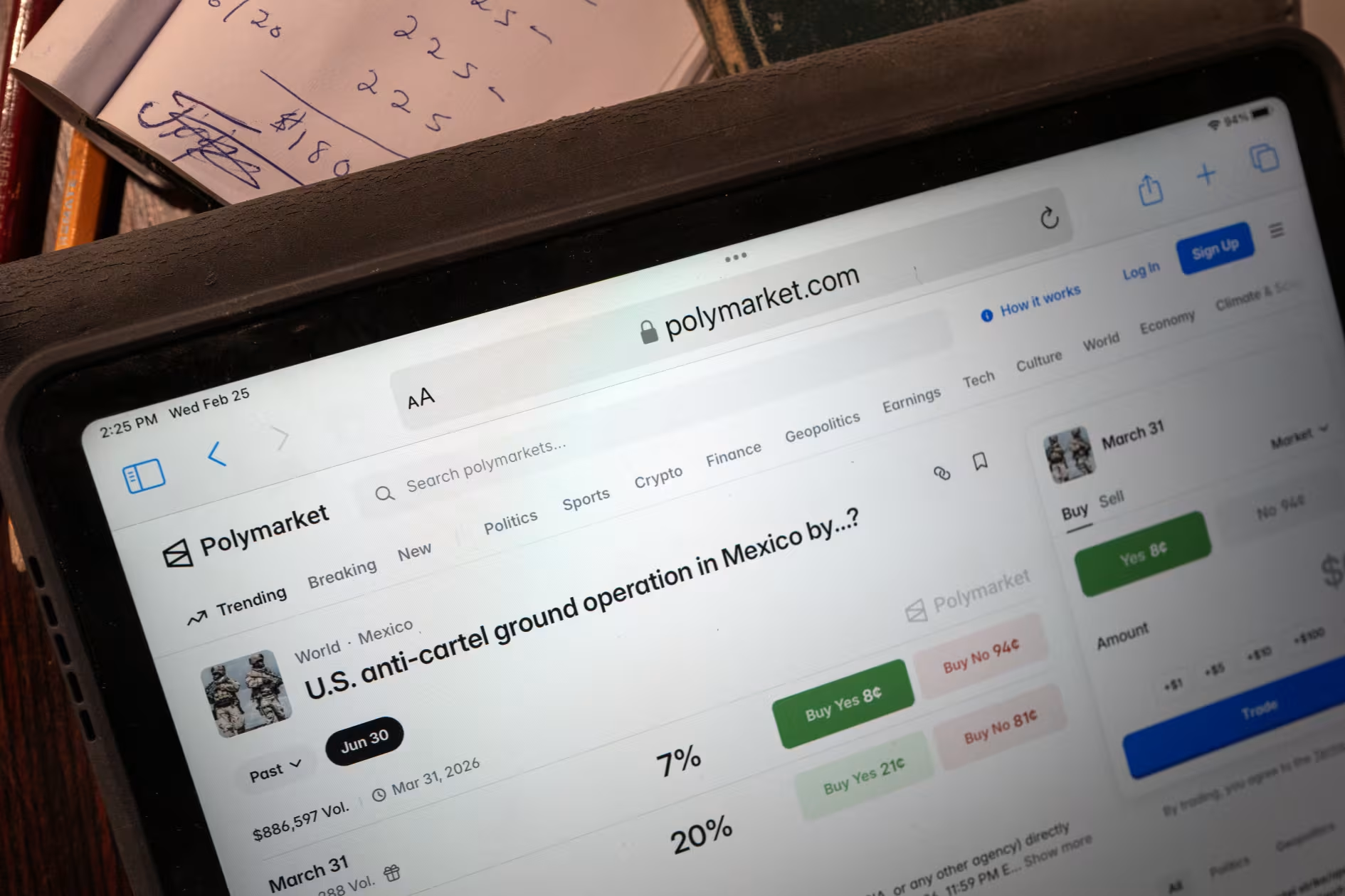
    • Insider Trading Scandal Rocks Prediction Markets Amid Iran Conflict
    • Middle East Tensions Spark Surge in Oil Markets
    • Israel and U.S. Strike Iran: Middle East Conflict Drives Oil Prices Higher
    • Making the most of a government shutdown is what the IRS is attempting to accomplish. Here’s how to secure your return.
    • Unexpectedly, oil prices see their first monthly increase in six months. So what’s the next move for OPEC+?
    BourseWatch – Latest Daily Stock Market And Finance NewsBourseWatch – Latest Daily Stock Market And Finance News
    • HOME
    • TOOLS
      • CURRENCY CONVERTER
      • RANKING TABLE
      • STOCK SCREENER
      • FOREX HEATMAP
      • ECONOMIC CALENDER
      • REAL-TIME CHART
      • FOREX SUMMARY
    • MARKET
      1. COMMODITIES
      2. REAL ESTATE
      3. CRYPTO CURRENCIES
      4. CURRENCY / FOREX
      5. ETF / RTF
      6. EQUITIES
      7. INDEXES
      8. View All

      Commodity Markets Caught in a ‘Super Squeeze’—HSBC Warns of Prolonged Price Surge

      January 26, 2026

      Global Oil Prices Surge Amidst Growing Geopolitical Risks – Best Weekly Performance Since October

      January 26, 2026

      Oil Surges Toward One-Month High on Unexpected US Inventory Drop and Chinese Stimulus

      January 25, 2026

      Oil Prices Fluctuate Amidst US Stockpile Data, Geopolitical Tensions, and China’s Economic Stimulus

      January 24, 2026

      Optimistic Outlook Emerges as Rate Cut Hopes Ignite Real Estate Market Recovery

      January 24, 2026

      Why experts say that Trump’s prohibition on big investors like Blackstone purchasing homes won’t lower housing costs

      January 8, 2026

      Why a real estate investor on crowdfunding site bid $30 million on Diddy’s “freak-off” home in L.A.: “It has a stigma attached to it”

      December 3, 2025

      “Sorry to pop the bubble,” she said. Jude Law tells you why you can’t stay at the cute house from “The Holiday,” a movie that has something for everyone.

      December 2, 2025

      Here are some reasons why Fed Chair Warsh might not be sufficient to recover the cryptocurrency when it approaches $80K.

      January 31, 2026

      UK Accelerates Efforts on Digital Pound Design Amid Privacy and Security Concerns

      January 25, 2026

      Bitcoin Faces 20% Decline Following ETF Launch as Speculators Turn Cautious

      January 23, 2026

      “Crypto Chronicles: FTX Lawsuit Twist, Grayscale’s ETF Shift, and FTX’s Post-Bankruptcy Resurgence”

      January 22, 2026

      According to a Goldman research, this is the point at which the 10-year Treasury yield poses a “clear problem” for equities.

      May 3, 2024

      This ETF from a 106-year-old company has outperformed competitors while staying away from the “Magnificent Seven” stocks.

      January 6, 2026

      ETFs with private credit have arrived. Why they might target your retirement account next.

      September 5, 2025

      Inside the 2025 ETF boom: “How do you manage it all?”

      September 5, 2025

      Challenges Loom for China’s Stock Market as ETF Experts Warn of Investor Hesitancy

      August 12, 2025

      Challenges for Tech Giants: Microsoft, Google, and AMD Stocks Take a Hit Despite Strong Earnings

      June 22, 2024

      ECB’s Villeroy Affirms: Oil Uncertainty No Barrier to June Rate Cut

      April 29, 2024

      Federal Reserve’s Move Leaves Regional Banks in a Quandary for 2024

      April 29, 2024

      Israel’s Credit Rating Takes a Dive: S&P Warns of Military Escalation with Iran

      April 29, 2024

      Strait of Hormuz Crisis: Oil Prices & Global Impact

      March 2, 2026

      Iran Conflict Drives U.S. Gas Prices Higher in Spring 2026

      March 2, 2026

      Insider Trading Scandal Rocks Prediction Markets Amid Iran Conflict

      March 2, 2026

      Middle East Tensions Spark Surge in Oil Markets

      March 2, 2026
    • ECONOMY
      1. INTEREST RATE
      2. View All

      Global Credit Spreads Hit 2022 Low as Investors Chase Higher Yields Amid Economic Optimism

      January 26, 2026

      In ’26, tax the wealthy? This year, these three important wealth tax concerns may be resolved.

      January 10, 2026

      A watchdog group says the IRS has only made “limited progress” in figuring out how often people making less than $400,000 are audited.

      September 3, 2025

      Like Trump, Kamala Harris wants to keep tip taxes low. Some people think the idea is “very silly,” and it doesn’t matter who comes up with it.

      August 19, 2025

      The situation in Iran is unlikely to harm the US economy or increase inflation, but the Fed will take its time lowering interest rates.

      March 3, 2026

      Israel and U.S. Strike Iran: Middle East Conflict Drives Oil Prices Higher

      March 2, 2026

      Here’s what Trump’s nomination of Kevin Warsh to chair the Fed means for the economy, markets and you

      January 31, 2026

      Why the Fed might be finished permanently lowering interest rates

      January 29, 2026
    • NEWS
      1. ALL NEWS
      2. COMPANIES
      3. CURRENCY FOREX
      4. INDEXES
      5. View All

      Biden Administration Freezes Approvals for US LNG Exports, Sparking Debate on Energy and Climate

      January 26, 2026

      Britain Agrees to Return Looted Asante Royal Regalia to Ghana in Historic Loan Deal

      January 25, 2026

      Biden’s Antitrust Wins Cast Shadow on Corporate Mergers in 2024

      August 12, 2025

      Trump’s 10% Tariff Plan Echoes Nixon’s 1971 Strategy: A Closer Look at the Historical Precedent

      April 6, 2025

      McDonald’s may send its 1,057-calorie Big Arch burger to America soon. Why it might sell for a billion dollars.

      January 31, 2026

      What the Apple bearish are misinterpreting about the stock is as follows.

      January 31, 2026

      UPS plans to reduce its Amazon operations by over 50%. Here’s why.

      January 30, 2026

      A plane crash in Washington, D.C., highlights how uncommon fatal aviation accidents are in the United States.

      January 30, 2026

      FOREX-Dollar Declines Amidst Asian and European Currency Surge

      January 24, 2026

      Goldman Sachs Warns of Potential Risks to European Stocks if Trump Secures Presidential Victory

      January 24, 2026

      China Securities Regulator Halts Restricted Share Lending in Move to Stabilize Stock Markets

      August 14, 2025

      Global Markets Wobble as China’s Evergrande Faces Liquidation, Federal Reserve Meeting Looms

      June 22, 2024

      TSX Futures Rally as Commodity Prices Surge Ahead of Bank of Canada Decision

      January 24, 2026

      Today’s Stock Market: US Equities Rise Once More, Fueled by Tech Sector Momentum.

      January 22, 2026

      Morgan Stanley and JPMorgan Advise Purchasing the dip Amid Treasury Sell-off Downturn.

      January 21, 2026

      The Economic Downturn Signal Maintains a Flawless Record for 72 Years: Here’s Its Projection for What Comes Next.

      January 21, 2026

      Making the most of a government shutdown is what the IRS is attempting to accomplish. Here’s how to secure your return.

      February 1, 2026

      McDonald’s may send its 1,057-calorie Big Arch burger to America soon. Why it might sell for a billion dollars.

      January 31, 2026

      What the Apple bearish are misinterpreting about the stock is as follows.

      January 31, 2026

      UPS plans to reduce its Amazon operations by over 50%. Here’s why.

      January 30, 2026
    • LIST & RANKING

      Top CEO’s of the Year

      January 18, 2026

      The force behind the recent surge in stocks is Big Tech, not the Fed. What investors should know is as follows.

      June 16, 2024

      Top 25 Independent Advisors

      February 27, 2024

      The Best Online Brokers

      January 18, 2024

      The Most Profitable Businesses

      January 18, 2024
    Donate
    BourseWatch – Latest Daily Stock Market And Finance NewsBourseWatch – Latest Daily Stock Market And Finance News
    Home » This is everything you need to know about how the SEC’s T+1 settlement regulation will change the stock trading industry.
    Market

    This is everything you need to know about how the SEC’s T+1 settlement regulation will change the stock trading industry.

    New rule taking effect May 28 will require trades to settle in one business day
    May 25, 2024No Comments
    Facebook Twitter Pinterest LinkedIn WhatsApp Reddit Tumblr Email
    Hero 1150x550 NYSE TradingFloor7
    Share
    Facebook Twitter LinkedIn Pinterest Email

    A new law affecting practically every trade of stocks, bonds, and exchange-traded funds (ETFs) in U.S. markets will take effect on May 28. Will it impact your investing, though?

    Yes and no, then.

    The “T+1” settlement cycle is established by this new rule, which has to do with how long it takes for securities transactions to “settle.”

    Settlement: What is it?

    Suppose you use your broker to purchase or sell stocks. Although you typically receive a confirmation of the trade immediately, this does not imply that the transaction has settled. In order for it to occur, the money must be taken out of the buyer’s account and delivered to the seller, and the stock must be moved from the seller’s portfolio to the buyer’s portfolio. Therefore, the formal handover of securities and funds between the two parties is referred to as “settlement.”

    The day a trade is placed, or the transaction date, is not always the day that settlement takes place. As of right now, U.S. financial institutions have two business days to settle any applicable security transactions under the “T+2” settlement cycle. Institutions will now have one business day after the new regulation takes effect to settle.

    The requirement that securities deals settle within one business day of the transaction date is hence referred to as “T+1.”

    The following securities will be subject to the T+1 settlement cycle:

    • Stocks
    • Corporate Debt Securities
    • ETFs
    • local securities
    • A few mutual funds
    • Restricted alliances that engage in exchange trading

    All assets that were traded on a T+2 settlement cycle will switch to a T+1 settlement cycle as of May 28. Other assets, such as government securities like Treasurys and options, will match up with the aforementioned securities since they are already on a next-day settlement schedule.

    Why does T+1 settlement matter?

    There are two main reasons why financial industry groups have been pushing for the T+1 settlement cycle: risk reduction and efficiency.

    “There is a time-tested golden rule of clearing and settlement, which is the sooner you can get it done the better,” Brian Sussman, senior vice president of global operations at Interactive Brokers, told MarketWatch.

    That’s because the longer it takes for a trade to settle, the higher the chance of the security or money not being there. Let’s say there’s an issue with the buy side and it turns out the account isn’t properly funded, or there’s some accounting error and the seller doesn’t own the correct number of shares. This is called a failure to deliver (FTD). Brokerages and clearinghouses generally have protections in place to prevent this from happening, but FTDs can happen, and the longer the period between the transaction and settlement, the greater the risk.

    Reducing that risk is one of the reasons that industry players have been pushing to get to a T+1 settlement cycle since the 1990s, when the settlement cycle was still at T+5. Over the years, the U.S. has moved to a T+3 settlement cycle, then T+2 and now finally T+1.

    During that time, the financial industry has evolved and introduced new forms of technology and automation. This leads to the second major reason: efficiency.

    Securities like stocks can exchange hands multiple times a day. The more transactions in a day, the more accounting work that has to be done by the brokers, the DTC and clearinghouses. When multiple days pass between transaction and settlement, it can effectively create an accounting backlog. So shortening that time makes the settlement process more efficient, and promotes the adoption of more automated and efficient systems across the industry.

    How does T+1 settlement affect me as an investor?

    Best-case scenario, investors might not notice the transition to T+1, but they still stand to benefit from it.

    “While the change to T+1 will be largely seamless for retail investors, they will benefit from the overall reduction in risk created by the move to T+1 settlement,” Tom Price, managing director and head of technology, operations and business continuity at Sifma, told MarketWatch. “Reducing risk in the system makes for healthier markets, and that is always better for investors.”

    Even if the change is largely invisible for investors, there are a few things they might notice. For example, proceeds from selling a security should hit investors’ accounts faster, which also means that money can be reinvested faster. The flip side is true too, meaning investors have to have their funds ready sooner before they buy securities, which may affect things like currency exchange when an investor wants to buy a security in a foreign market.

    However, as Price says, the main takeaway for retail investors is the reduction of risk.

    Besides that, most of the changes brought by T+1 will be felt by brokers, clearinghouses and other institutions, since they’re the ones who have to process trades and settlement on the back end. But many of these institutions have spent years preparing for the new settlement cycle and have put in the work for everyone to be prepared for the transition.

    Will we ever see a T+0 settlement cycle?

    With T+1 settlement being something years in the making, a logical next question is, can we move even faster and do same-day or real-time settlement cycles? After all, cryptocurrencies settle in real time thanks to the blockchain. But for other securities, this may create more problems than it solves.

    “The challenge with T+0 is not whether or not the NSCC’s platform can do it, or whether [brokerages] could change the code for our systems. The challenge is largely around financing and efficiency,” Sussman of Interactive Brokers told MarketWatch.

    Crypto trades can happen in real time because they are prefunded, but prefunding the entire U.S. stock market is an entirely different beast due to the sheer volume and complexity of the market. On top of that, getting the U.S. stock market to trade at T+1 already involves many tight, same-day turnarounds. Getting things to move even faster may introduce additional risks that aren’t present with a T+1 cycle.

    So with T+0 potentially creating more issues than it’s worth, the T+1 settlement cycle may be the sweet spot. To many of the financial professionals who have spent years working to get T+1 adopted, it represents a Goldilocks settlement cycle—less risky than T+2, less risky T+0, just right. And for investors, hopefully it represents a big step toward more efficient markets.


    Share. Facebook Twitter Pinterest LinkedIn Tumblr Telegram Email

    Related Posts

    Strait of Hormuz Crisis: Oil Prices & Global Impact

    March 2, 2026

    Iran Conflict Drives U.S. Gas Prices Higher in Spring 2026

    March 2, 2026

    Insider Trading Scandal Rocks Prediction Markets Amid Iran Conflict

    March 2, 2026
    Leave A Reply Cancel Reply

    Top Posts

    Aeries Technology: A Global Professional Services Leader in Business Transformation

    June 10, 2024

    As Christmas sales break records, stock buybacks soar.

    December 5, 2025

    These other stocks, along with Coinbase and Block, could join the S&P 500 in the next shake-up.

    December 6, 2025

    Why Powell and the Fed should stop lowering interest rates in December

    December 7, 2025
    Don't Miss
    Economy

    The situation in Iran is unlikely to harm the US economy or increase inflation, but the Fed will take its time lowering interest rates.

    March 3, 2026

    A vital chokepoint for the world’s crude oil supplies is the Strait of Hormuz. Analysts…

    Strait of Hormuz Crisis: Oil Prices & Global Impact

    March 2, 2026

    Iran Conflict Drives U.S. Gas Prices Higher in Spring 2026

    March 2, 2026

    Insider Trading Scandal Rocks Prediction Markets Amid Iran Conflict

    March 2, 2026
    Stay In Touch
    • Facebook
    • Instagram

    Subscribe to Updates

    Get the latest Update

    Facebook Twitter Instagram

    BourseWatch

    • All News
    • Economy
    • List & Ranking
    • Market
    • News

    Recent Post

    • im 58552594
      Strait of Hormuz Crisis: Oil Prices & Global Impact
    • im 95141640 1
      Iran Conflict Drives U.S. Gas Prices Higher in Spring 2026
    • im 28062041
      Insider Trading Scandal Rocks Prediction Markets Amid Iran Conflict

    Subscribe to Updates

    Get the latest creative news from BourseWatch

    © Boursewatch. Designed by Asad Rizvi

    • Privacy Policy
    • Terms
    • Contact Us

    Type above and press Enter to search. Press Esc to cancel.