Close Menu

    Subscribe to Updates

    Get the latest creative news from FooBar about art, design and business.

    What's Hot

    The situation in Iran is unlikely to harm the US economy or increase inflation, but the Fed will take its time lowering interest rates.

    March 3, 2026

    Strait of Hormuz Crisis: Oil Prices & Global Impact

    March 2, 2026

    Iran Conflict Drives U.S. Gas Prices Higher in Spring 2026

    March 2, 2026
    Facebook X (Twitter) Instagram
    🔴
    Trending
    • The situation in Iran is unlikely to harm the US economy or increase inflation, but the Fed will take its time lowering interest rates.
    • Strait of Hormuz Crisis: Oil Prices & Global Impact
    • Iran Conflict Drives U.S. Gas Prices Higher in Spring 2026
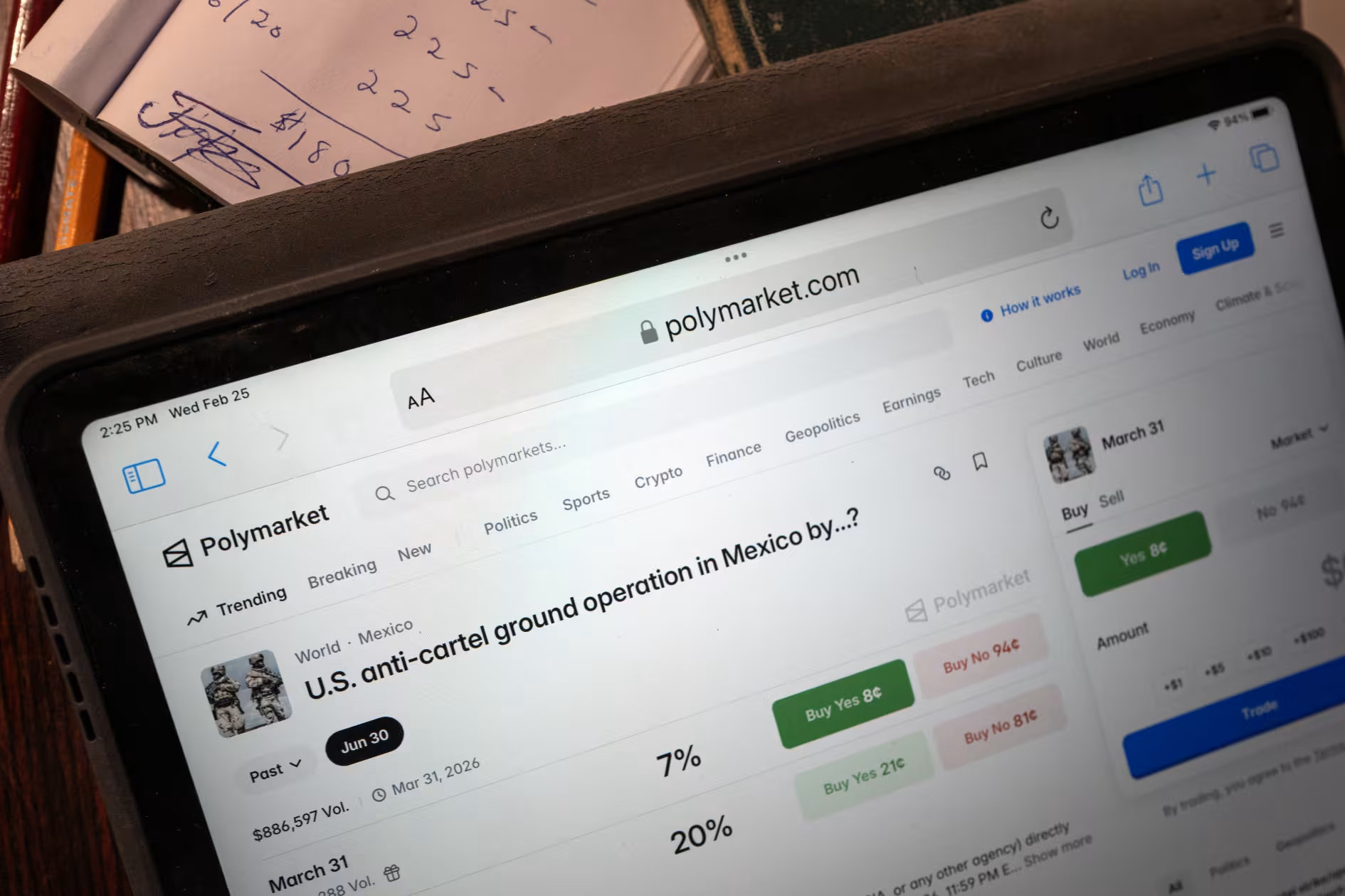
    • Insider Trading Scandal Rocks Prediction Markets Amid Iran Conflict
    • Middle East Tensions Spark Surge in Oil Markets
    • Israel and U.S. Strike Iran: Middle East Conflict Drives Oil Prices Higher
    • Making the most of a government shutdown is what the IRS is attempting to accomplish. Here’s how to secure your return.
    • Unexpectedly, oil prices see their first monthly increase in six months. So what’s the next move for OPEC+?
    BourseWatch – Latest Daily Stock Market And Finance NewsBourseWatch – Latest Daily Stock Market And Finance News
    • HOME
    • TOOLS
      • CURRENCY CONVERTER
      • RANKING TABLE
      • STOCK SCREENER
      • FOREX HEATMAP
      • ECONOMIC CALENDER
      • REAL-TIME CHART
      • FOREX SUMMARY
    • MARKET
      1. COMMODITIES
      2. REAL ESTATE
      3. CRYPTO CURRENCIES
      4. CURRENCY / FOREX
      5. ETF / RTF
      6. EQUITIES
      7. INDEXES
      8. View All

      Commodity Markets Caught in a ‘Super Squeeze’—HSBC Warns of Prolonged Price Surge

      January 26, 2026

      Global Oil Prices Surge Amidst Growing Geopolitical Risks – Best Weekly Performance Since October

      January 26, 2026

      Oil Surges Toward One-Month High on Unexpected US Inventory Drop and Chinese Stimulus

      January 25, 2026

      Oil Prices Fluctuate Amidst US Stockpile Data, Geopolitical Tensions, and China’s Economic Stimulus

      January 24, 2026

      Optimistic Outlook Emerges as Rate Cut Hopes Ignite Real Estate Market Recovery

      January 24, 2026

      Why experts say that Trump’s prohibition on big investors like Blackstone purchasing homes won’t lower housing costs

      January 8, 2026

      Why a real estate investor on crowdfunding site bid $30 million on Diddy’s “freak-off” home in L.A.: “It has a stigma attached to it”

      December 3, 2025

      “Sorry to pop the bubble,” she said. Jude Law tells you why you can’t stay at the cute house from “The Holiday,” a movie that has something for everyone.

      December 2, 2025

      Here are some reasons why Fed Chair Warsh might not be sufficient to recover the cryptocurrency when it approaches $80K.

      January 31, 2026

      UK Accelerates Efforts on Digital Pound Design Amid Privacy and Security Concerns

      January 25, 2026

      Bitcoin Faces 20% Decline Following ETF Launch as Speculators Turn Cautious

      January 23, 2026

      “Crypto Chronicles: FTX Lawsuit Twist, Grayscale’s ETF Shift, and FTX’s Post-Bankruptcy Resurgence”

      January 22, 2026

      According to a Goldman research, this is the point at which the 10-year Treasury yield poses a “clear problem” for equities.

      May 3, 2024

      This ETF from a 106-year-old company has outperformed competitors while staying away from the “Magnificent Seven” stocks.

      January 6, 2026

      ETFs with private credit have arrived. Why they might target your retirement account next.

      September 5, 2025

      Inside the 2025 ETF boom: “How do you manage it all?”

      September 5, 2025

      Challenges Loom for China’s Stock Market as ETF Experts Warn of Investor Hesitancy

      August 12, 2025

      Challenges for Tech Giants: Microsoft, Google, and AMD Stocks Take a Hit Despite Strong Earnings

      June 22, 2024

      ECB’s Villeroy Affirms: Oil Uncertainty No Barrier to June Rate Cut

      April 29, 2024

      Federal Reserve’s Move Leaves Regional Banks in a Quandary for 2024

      April 29, 2024

      Israel’s Credit Rating Takes a Dive: S&P Warns of Military Escalation with Iran

      April 29, 2024

      Strait of Hormuz Crisis: Oil Prices & Global Impact

      March 2, 2026

      Iran Conflict Drives U.S. Gas Prices Higher in Spring 2026

      March 2, 2026

      Insider Trading Scandal Rocks Prediction Markets Amid Iran Conflict

      March 2, 2026

      Middle East Tensions Spark Surge in Oil Markets

      March 2, 2026
    • ECONOMY
      1. INTEREST RATE
      2. View All

      Global Credit Spreads Hit 2022 Low as Investors Chase Higher Yields Amid Economic Optimism

      January 26, 2026

      In ’26, tax the wealthy? This year, these three important wealth tax concerns may be resolved.

      January 10, 2026

      A watchdog group says the IRS has only made “limited progress” in figuring out how often people making less than $400,000 are audited.

      September 3, 2025

      Like Trump, Kamala Harris wants to keep tip taxes low. Some people think the idea is “very silly,” and it doesn’t matter who comes up with it.

      August 19, 2025

      The situation in Iran is unlikely to harm the US economy or increase inflation, but the Fed will take its time lowering interest rates.

      March 3, 2026

      Israel and U.S. Strike Iran: Middle East Conflict Drives Oil Prices Higher

      March 2, 2026

      Here’s what Trump’s nomination of Kevin Warsh to chair the Fed means for the economy, markets and you

      January 31, 2026

      Why the Fed might be finished permanently lowering interest rates

      January 29, 2026
    • NEWS
      1. ALL NEWS
      2. COMPANIES
      3. CURRENCY FOREX
      4. INDEXES
      5. View All

      Biden Administration Freezes Approvals for US LNG Exports, Sparking Debate on Energy and Climate

      January 26, 2026

      Britain Agrees to Return Looted Asante Royal Regalia to Ghana in Historic Loan Deal

      January 25, 2026

      Biden’s Antitrust Wins Cast Shadow on Corporate Mergers in 2024

      August 12, 2025

      Trump’s 10% Tariff Plan Echoes Nixon’s 1971 Strategy: A Closer Look at the Historical Precedent

      April 6, 2025

      McDonald’s may send its 1,057-calorie Big Arch burger to America soon. Why it might sell for a billion dollars.

      January 31, 2026

      What the Apple bearish are misinterpreting about the stock is as follows.

      January 31, 2026

      UPS plans to reduce its Amazon operations by over 50%. Here’s why.

      January 30, 2026

      A plane crash in Washington, D.C., highlights how uncommon fatal aviation accidents are in the United States.

      January 30, 2026

      FOREX-Dollar Declines Amidst Asian and European Currency Surge

      January 24, 2026

      Goldman Sachs Warns of Potential Risks to European Stocks if Trump Secures Presidential Victory

      January 24, 2026

      China Securities Regulator Halts Restricted Share Lending in Move to Stabilize Stock Markets

      August 14, 2025

      Global Markets Wobble as China’s Evergrande Faces Liquidation, Federal Reserve Meeting Looms

      June 22, 2024

      TSX Futures Rally as Commodity Prices Surge Ahead of Bank of Canada Decision

      January 24, 2026

      Today’s Stock Market: US Equities Rise Once More, Fueled by Tech Sector Momentum.

      January 22, 2026

      Morgan Stanley and JPMorgan Advise Purchasing the dip Amid Treasury Sell-off Downturn.

      January 21, 2026

      The Economic Downturn Signal Maintains a Flawless Record for 72 Years: Here’s Its Projection for What Comes Next.

      January 21, 2026

      Making the most of a government shutdown is what the IRS is attempting to accomplish. Here’s how to secure your return.

      February 1, 2026

      McDonald’s may send its 1,057-calorie Big Arch burger to America soon. Why it might sell for a billion dollars.

      January 31, 2026

      What the Apple bearish are misinterpreting about the stock is as follows.

      January 31, 2026

      UPS plans to reduce its Amazon operations by over 50%. Here’s why.

      January 30, 2026
    • LIST & RANKING

      Top CEO’s of the Year

      January 18, 2026

      The force behind the recent surge in stocks is Big Tech, not the Fed. What investors should know is as follows.

      June 16, 2024

      Top 25 Independent Advisors

      February 27, 2024

      The Best Online Brokers

      January 18, 2024

      The Most Profitable Businesses

      January 18, 2024
    Donate
    BourseWatch – Latest Daily Stock Market And Finance NewsBourseWatch – Latest Daily Stock Market And Finance News
    Home » This bond market move, which has only occurred twice in more than 40 years, is making stock market investors anxious.
    Market

    This bond market move, which has only occurred twice in more than 40 years, is making stock market investors anxious.

    Only twice since the early 1980s has the 10-year yield jumped simultaneously by about as much as the Fed has cut rates — and it has a lot to do with rising inflation expectations
    January 8, 2025Updated:January 30, 2025No Comments
    Facebook Twitter Pinterest LinkedIn WhatsApp Reddit Tumblr Email
    im 37653181
    Share
    Facebook Twitter LinkedIn Pinterest Email

    The 10-year yield has only increased in tandem with rate cuts twice since the early 1980s, and this is mostly due to growing inflation expectations.

    The 10-year Treasury yield has increased by roughly the same amount as the Federal Reserve has lowered interest rates over the same time period, which has reportedly only happened twice in the bond market since the early 1980s and has stock market investors on edge.

    When the central bank started reducing rates by a full percentage point over three months in mid-September, the widely followed benchmark rate, BX:TMUBMUSD10Y, which affects the cost of borrowing on everything from corporate bonds to mortgages and auto loans, dropped as low as 3.6% before rising to 4.77%. Stated differently, the 10-year yield has increased by a little more than the total amount of the Fed’s three rate decreases from September to December.

    As has been the case during the majority of Fed easing cycles since 1989, long-term rates on U.S. government debt typically decline in the 200 days prior to and following the central bank’s rate-cutting actions, which helps to improve financial conditions by making borrowing easier. According to data provided by Torsten Slok, chief economist at Apollo Global Management in New York, the 10-year yield surged by less than a full percentage point, or less than it has today, in the few instances where this did not occur.

    “The market is telling us something, and it is very important for investors to have a view on why long rates are going up when the Fed is cutting,” Slok stated this week. Whether the extremely unusual bond-market movements are due to concerns about the U.S. fiscal position, a decline in foreign demand for U.S. government debt, or a belief that the Fed’s 2024 rate cuts were unwarranted are some of the issues that people should be asking, he added.

    In addition to a University of Michigan survey that indicated increased consumer expectations for future price hikes, Friday’s surprisingly robust employment gains of 256,000 for December brought the prospects of higher inflation back into the forefront of market participants’ minds. With the Dow Jones Industrial Average (DJIA) dropping nearly 700 points, U.S. stocks saw a steep sell-off. In the meantime, 10- and 30-year BX:TMUBMUSD30Y Treasury rates reached 14-month closing highs due to a vigorous bond selloff.

    The December consumer-price index, which is released on Wednesday, is the next significant report on U.S. inflation for the coming week.

    The 5-, 10-, and 30-year breakeven rates—market-based projections of future inflation—rose to their highest levels since last April or May over the course of the last week, edging closer to the Fed’s 2% target. Even as they delivered their third and final rate cut of 2024, the central bank’s most recent meeting minutes in December revealed that nearly all policymakers saw increased upside risks to inflation. The fed-funds rate target ended the year between 4.25% and 4.5%, down from a previous 16-year high of 5.25% to 5.5%.

    According to former hedge-fund portfolio manager Guy Haselmann and portfolio manager Brian Mulberry of Chicago-based Zacks Investment Management, the bond market’s odd movements suggest that inflation could resurface. Furthermore, they warned that any decision by incoming President Donald Trump to impose mass deportation and tariff measures might push real inflation and expectations for future price hikes considerably higher in the near future.

    “Inflation is clearly recovering, bouncing, trending up – however you want to phrase it,” Mulberry stated over the phone at the moment. He referenced the three-month annualized core rates for the October through December personal-consumption expenditures price index, the Fed’s preferred inflation indicator, and the CPI. Each of them came in at or above 3%, according to Mulberry, whose company manages assets worth about $20.4 billion.

    The bond market is a reflection of the fact that it is too soon to declare inflation to be over. For the time being, the Fed’s easing cycle is likely coming to an end, but there is still a lot of work to be done,” he stated. This indicates that interest rates will remain at about 4% for the foreseeable future. If the Fed were forced to hike rates, it would be an admission of error and the worst-case scenario since the equities market hasn’t priced that in at all.”

    Investors have been aggressively selling off 10-year government notes, as well as 20- and 30-year Treasury bonds, in recent months, which has caused rates on all three to rise toward 5%. A temporary recurrence of the 10-year yield’s October 2023 brief breach of 5% is viewed as a potential buying opportunity for investors who do not currently own the underlying government note.

    Investors must be ready for a period of stock market volatility when interest rates are high. A higher cost of capital than previously believed has a tendency to erode valuations for small and midsized businesses, consumer discretionary brands, and the growth sector. The inability to participate in as many IPOs or mergers and acquisitions as anticipated may also have an effect on banks. Due to the comparatively steady demand for necessary services, utilities are typically more immune to stock market selloffs.

    When the Fed began lowering interest rates, the 10-year yield last increased by roughly the same amount in 1981.

    Under the direction of then-Chair Paul Volcker, the Fed tightened the money supply in late 1980 and early 1981, allowing the central bank’s primary interest-rate objective to reach an all-time high of nearly 20%. In order to counteract excessive inflation and counteract the recession brought on by their own policies, officials had been gently adjusting rates up and down during 1980 rather than steadily in one direction.

    According to records of the Fed’s board in Washington, officials reduced interest rates by 4.5 percentage points between mid-January and mid-October 1981, from 19% to 20%, or 14.5% to 15.5%. However, these reductions were made in an up-and-down fashion.

    During those months, an extremely unusual event occurred: the Treasury yield increased by about 4 percentage points, from around 12% at the beginning of the year to an all-time high of just over 15.8% in September 1981. Interest rate movements continued to fluctuate in the subsequent year, 1982.

    A number of factors can typically impact the direction of Treasury yields, according to Haselmann, a former analyst with Scotiabank in Toronto who currently serves as a consultant. However, when the 10-year rate increases as much as it has following the Fed’s rate-cutting stance, “it’s all about inflation expectations.” The Federal Reserve’s “only explanation for what’s occurring now is that the marketplace has inflation expectations that are rising,” putting the Federal Reserve “in a quagmire.”

    “Some people may cite a large fiscal deficit and Treasury supply for rising rates, but those were known variables when the 10-year was at 3.6% before the first rate cut – so that has some influence, but is not the catalyst for the 100-basis-point-plus increase,” according to MarketWatch.

    “Inflation is not controlled yet and the expectation remains that the Fed is not going to be able to achieve its 2% mandate in the near future,” Haselmann stated by phone. When inflation expectations are growing and the Fed is aggressively reducing rates—as it did in September with a 50 basis point decrease and again in November and December with a total of another 50 basis points—”that is directly manifesting itself in the long end of the Treasury curve.”

    Additionally, he stated: “I believe that the Fed will exercise tremendous patience in either direction this year. To put it another way, I wouldn’t be shocked if the Fed made no cuts in 2025. Additionally, I should add that even if inflation continues to climb, I don’t necessarily think the Fed would hike because higher rates and inflation will both operate as economic headwinds. Self-correcting mechanisms are inherent in the market. Additionally, the equities market will start to adjust down to more reasonable valuations after being fully priced for a favorable economic scenario.

    In the first half of this year, he believes there is a chance that the 30-year yield will surpass 6% and the 10-year rate will touch 5%, which may draw a “ton of buyers.” The portfolios of investors will need to be “a little safer and less aggressive to weather a lot of different storms, including increased volatility.”

    Numerous other theories have been put up to explain the current state of the bond market. The “historical anomaly” of a 10-year yield that has increased by the same amount as the Fed has decreased rates over the same time period, according to Nicholas Colas, co-founder of DataTrek Research, translates into still respectable growth, in his opinion. The market may be adding in a “insanity” premium to account for the “crazy things” that Trump has stated about economic policy, according to Nobel-winning economist Paul Krugman.

    The most significant data event of the next week is probably the December CPI report, which is released on Wednesday.

    The NFIB Small Business Optimism Index, the Federal Reserve’s Beige Book report, and the producer-price index for the previous month are all scheduled to be released on Tuesday. The January Empire State and Philadelphia Fed manufacturing surveys, the home-builder optimism index, and business inventory statistics are all scheduled for release on Wednesday.


    Share. Facebook Twitter Pinterest LinkedIn Tumblr Telegram Email

    Related Posts

    Strait of Hormuz Crisis: Oil Prices & Global Impact

    March 2, 2026

    Iran Conflict Drives U.S. Gas Prices Higher in Spring 2026

    March 2, 2026

    Insider Trading Scandal Rocks Prediction Markets Amid Iran Conflict

    March 2, 2026
    Leave A Reply Cancel Reply

    Top Posts

    Aeries Technology: A Global Professional Services Leader in Business Transformation

    June 10, 2024

    As Christmas sales break records, stock buybacks soar.

    December 5, 2025

    These other stocks, along with Coinbase and Block, could join the S&P 500 in the next shake-up.

    December 6, 2025

    Why Powell and the Fed should stop lowering interest rates in December

    December 7, 2025
    Don't Miss
    Economy

    The situation in Iran is unlikely to harm the US economy or increase inflation, but the Fed will take its time lowering interest rates.

    March 3, 2026

    A vital chokepoint for the world’s crude oil supplies is the Strait of Hormuz. Analysts…

    Strait of Hormuz Crisis: Oil Prices & Global Impact

    March 2, 2026

    Iran Conflict Drives U.S. Gas Prices Higher in Spring 2026

    March 2, 2026

    Insider Trading Scandal Rocks Prediction Markets Amid Iran Conflict

    March 2, 2026
    Stay In Touch
    • Facebook
    • Instagram

    Subscribe to Updates

    Get the latest Update

    Facebook Twitter Instagram

    BourseWatch

    • All News
    • Economy
    • List & Ranking
    • Market
    • News

    Recent Post

    • im 58552594
      Strait of Hormuz Crisis: Oil Prices & Global Impact
    • im 95141640 1
      Iran Conflict Drives U.S. Gas Prices Higher in Spring 2026
    • im 28062041
      Insider Trading Scandal Rocks Prediction Markets Amid Iran Conflict

    Subscribe to Updates

    Get the latest creative news from BourseWatch

    © Boursewatch. Designed by Asad Rizvi

    • Privacy Policy
    • Terms
    • Contact Us

    Type above and press Enter to search. Press Esc to cancel.