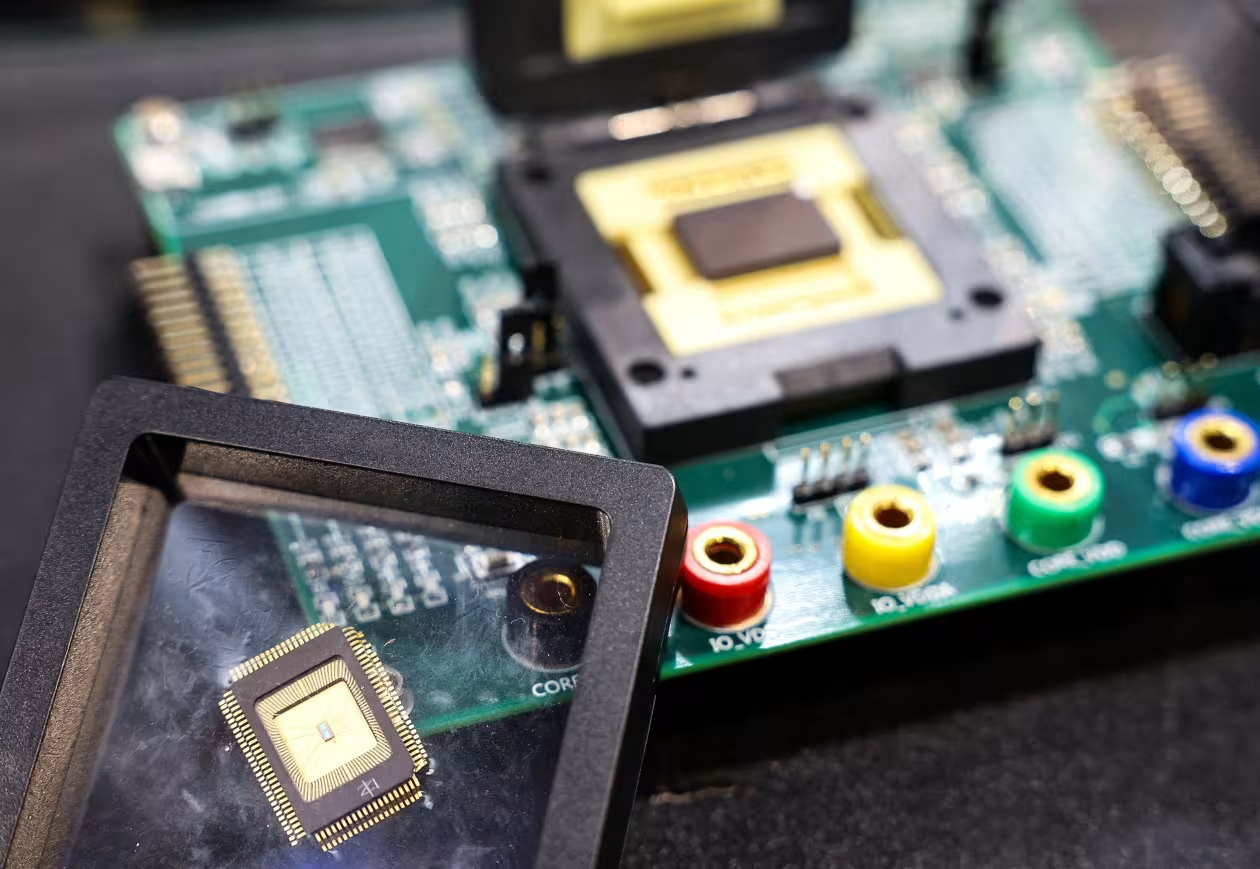
TSMC Reports Forecast-Beating Revenue as AI Chip Demand Defies Geopolitical Tensions
The world of semiconductor manufacturing is as dynamic as it is crucial to the global economy. Taiwan Semiconductor Manufacturing Company (TSMC), a leader in this industry, has recently reported revenues that exceeded analyst expectations. This comes against a backdrop of increasing demand for AI chips, even as geopolitical tensions pose potential challenges. This article explores the factors driving TSMC’s success, the implications of growing AI chip demand, and the broader context of geopolitical issues influencing the industry.
The Rise of AI and Its Impact on Semiconductor Demand
Artificial Intelligence (AI) has rapidly shifted from a futuristic concept to a present-day reality that impacts various sectors, from healthcare to finance. The advancement of AI technologies has created an insatiable demand for specialized semiconductor chips that can efficiently process complex algorithms. These AI chips are fundamental to enabling machines to perform tasks that traditionally required human intelligence.
TSMC, as a major player in semiconductor manufacturing, has capitalized on this demand. The company’s advanced fabrication processes and innovations in chip design have positioned it as a critical supplier for tech giants developing AI solutions. This demand surge for AI chips is a significant factor in TSMC’s recent revenue performance, demonstrating how technological advancements can drive market demand even in uncertain geopolitical climates.
Geopolitical Tensions and Their Influence on the Semiconductor Industry

Geopolitical tensions, particularly between the United States and China, have cast a shadow over the global technology supply chain. The semiconductor industry, which relies heavily on cross-border collaboration and trade, is particularly vulnerable. These tensions have led to shifts in manufacturing strategies and supply chain realignments as companies seek to mitigate risks.
Despite these challenges, TSMC has reported impressive revenue figures. This resilience can be attributed to the company’s strategic positioning and its ability to meet the global demand for semiconductors, particularly in sectors like AI where demand remains robust. By diversifying its client base and ramping up production capabilities, TSMC has managed to navigate the complex geopolitical landscape effectively.
TSMC’s Strategic Initiatives and Innovation
TSMC’s success is not merely a result of external demand factors; it is also a testament to the company’s strategic foresight and innovation. The company has continuously invested in research and development to stay at the forefront of semiconductor technology. For instance, TSMC has pioneered the development of advanced nodes that significantly improve the performance and efficiency of semiconductor chips.
Moreover, TSMC’s commitment to sustainability and environmentally friendly manufacturing processes has also played a role in its market appeal. As companies worldwide seek to reduce their environmental impact, suppliers like TSMC that offer sustainable solutions become increasingly attractive. This commitment aligns with global trends towards greener technologies, further strengthening TSMC’s market position.
The Role of AI Technologies in Economic Growth
The economic implications of AI technologies extend beyond the semiconductor industry. AI has the potential to revolutionize multiple sectors, driving efficiency and creating new opportunities for growth. For instance, in the automotive industry, AI is a key component in the development of autonomous vehicles, which promise to transform transportation infrastructure.

Similarly, AI is impacting the healthcare sector by enabling more accurate diagnostics and personalized medicine. The pervasive nature of AI ensures that the demand for specialized chips will continue to grow, benefiting companies like TSMC that can supply these critical components. This trend underscores the importance of AI technologies in shaping the future economic landscape.
Challenges and Opportunities for TSMC
While TSMC’s recent success is noteworthy, the company faces both challenges and opportunities as it looks to the future. One of the primary challenges is maintaining its competitive edge in a rapidly evolving industry. As other companies invest in semiconductor technology, TSMC must continue to innovate and improve its processes to remain a leader.
However, there are also significant opportunities for growth. The global push towards digital transformation, accelerated by the COVID-19 pandemic, has increased the reliance on digital infrastructure. This development expands the market for semiconductors, presenting TSMC with opportunities to further its reach and influence.
The Global Supply Chain and Semiconductor Manufacturing
The global semiconductor supply chain is complex, involving numerous stakeholders across different regions. TSMC’s role within this supply chain is pivotal, as it serves as a critical link between raw material suppliers and end-product manufacturers. The company’s ability to deliver high-quality chips on time is essential for ensuring the smooth operation of industries reliant on semiconductor technology.
Recent disruptions in the supply chain, such as those caused by the pandemic, have highlighted the importance of resilience and adaptability. TSMC’s strategic investments in expanding its production capacity and diversifying its supply chain sources have helped mitigate potential disruptions. These efforts are crucial in maintaining the stability of the global semiconductor market.
Takeaways

TSMC’s forecast-beating revenue is a testament to the company’s strategic acumen and its ability to capitalize on the burgeoning demand for AI chips. Despite the geopolitical challenges that loom over the semiconductor industry, TSMC’s robust performance underscores the resilience and adaptability that are essential for success in today’s complex global market.
As AI technologies continue to drive economic growth and transform industries, TSMC’s role as a leading semiconductor manufacturer is more critical than ever. By continuing to innovate and navigate geopolitical challenges, TSMC is well-positioned to maintain its leadership in the semiconductor industry and contribute significantly to the global economy.
For more insights on the impact of AI on industries, visit this comprehensive resource on the future of AI. Additionally, learn about the latest advances in semiconductor technology by exploring this detailed guide on semiconductor innovations.
Future Prospects: The Path Ahead for TSMC
Looking forward, TSMC is poised to play an increasingly pivotal role in the semiconductor industry, especially as the demand for AI-driven solutions expands. The company’s ability to adapt to technological advancements and market dynamics will be crucial in maintaining its competitive edge.
One area of potential growth is the Internet of Things (IoT), where the integration of AI into everyday devices is expected to drive a new wave of demand for semiconductors. With its expertise in microchip production, TSMC is well-equipped to cater to this emerging market, which promises to interconnect millions of devices worldwide, creating a sophisticated network of smart technology.
Investment in Research and Development

TSMC’s commitment to research and development remains a cornerstone of its strategy. The company has consistently invested a significant portion of its revenue back into R&D to foster innovation and maintain its technological leadership. As semiconductor technology continues to evolve, breakthroughs in areas such as quantum computing and neuromorphic chips are likely to redefine industry standards.
By staying at the forefront of these advancements, TSMC not only enhances its product offerings but also strengthens its position as a go-to partner for tech companies seeking cutting-edge semiconductor solutions. This proactive approach to innovation is expected to yield substantial dividends as global reliance on semiconductor technology intensifies.
Addressing Environmental and Ethical Considerations
As the semiconductor industry grows, so does its environmental footprint. TSMC recognizes the importance of sustainability and has implemented measures to minimize its environmental impact. The company is actively pursuing goals such as reducing carbon emissions, optimizing energy efficiency, and implementing sustainable water management practices.
These initiatives not only align TSMC with global environmental standards but also appeal to consumers and businesses increasingly concerned with ethical and sustainable sourcing. By addressing these considerations, TSMC enhances its reputation and builds trust with stakeholders, positioning itself as a responsible corporate entity within the industry.
Strengthening Global Partnerships
TSMC’s success is not solely due to its internal strategies; it also stems from its ability to forge strong partnerships across the globe. The company’s collaborative efforts with leading technology firms enable it to remain at the cutting edge of semiconductor innovation. By working closely with partners, TSMC gains insights into market trends and customer needs, informing its strategic decisions.

These partnerships extend to academic institutions and research organizations, allowing TSMC to tap into a rich pool of knowledge and expertise. Through these alliances, TSMC can accelerate its research efforts and bring new technologies to market more swiftly, further solidifying its leadership position.
Navigating Geopolitical Uncertainties
While TSMC has demonstrated resilience in the face of geopolitical tensions, the landscape remains unpredictable. Ongoing trade disputes, regulatory changes, and political dynamics can impact the semiconductor industry in unforeseen ways. TSMC’s ability to adapt to these uncertainties will be a key determinant of its sustained success.
The company has taken proactive measures to mitigate risks, such as diversifying its manufacturing locations and supply chain partners. By reducing its reliance on any single region, TSMC can better withstand geopolitical disruptions and continue to meet global demand effectively.
Conclusion: A Promising Future for TSMC
TSMC’s forecast-beating revenue figures underscore the company’s strategic prowess and its ability to thrive in a challenging environment. As the demand for AI chips continues to grow, driven by advancements in technology and the increasing integration of AI into various industries, TSMC stands at the forefront of this transformation.
With a strong focus on innovation, sustainability, and global collaboration, TSMC is well-prepared to navigate the complexities of the semiconductor market. The company’s commitment to excellence and adaptability ensures that it will remain a key player in shaping the future of technology and the global economy.
For further reading on the impact of geopolitics on global trade, consider this in-depth special report that explores the intricacies of global trade dynamics in today’s world.