
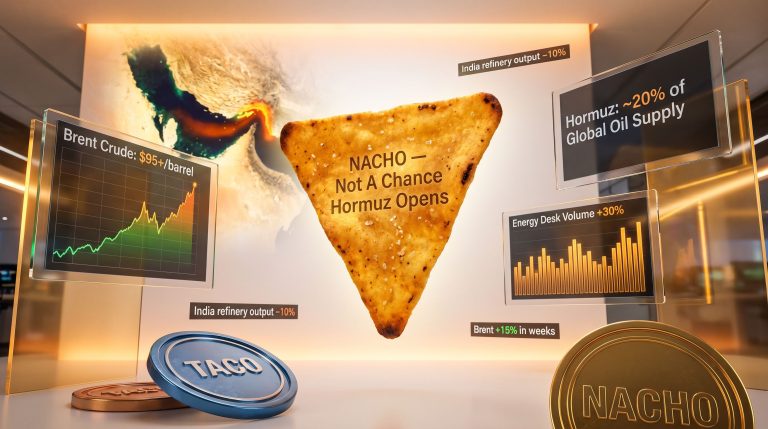
In the constantly evolving landscape of global finance, Wall Street has a knack for crafting innovative strategies that aim to capitalize on market trends. One such strategy that has recently come into the spotlight is the so-called “NACHO” trade. This approach is centered around betting on higher oil prices and persistent inflation, two factors that have been shaping the economic outlook over the past few years.
As investors seek to navigate a world characterized by supply chain disruptions, geopolitical tensions, and fluctuating commodity prices, the NACHO trade offers a unique perspective on potential market movements. This blog post delves into the intricacies of the NACHO trade, exploring how it works, why it has gained attention, and what it means for investors and the broader market.
Understanding the Components of the NACHO Trade
The NACHO trade is an acronym that stands for Natural gas, Agricultural commodities, Copper, Heating oil, and Oil. These components reflect a diversified portfolio of commodities that are expected to experience price increases due to various global factors. Each of these commodities plays a crucial role in the global economy and has its own set of driving forces that contribute to the overall strategy.
Natural Gas: A Volatile Market
Natural gas has long been a staple in energy production and heating. In recent years, the market for natural gas has experienced significant volatility, driven by factors such as geopolitical tensions, weather patterns, and shifts in production levels. The growing emphasis on cleaner energy sources has also influenced demand, making natural gas a key element in the NACHO trade.
Investors focused on the NACHO trade anticipate that natural gas prices will continue to rise, partly due to increased demand for liquefied natural gas (LNG) exports. This demand stems from Europe’s ongoing efforts to reduce its reliance on Russian energy supplies, creating new opportunities for U.S. producers.

Agricultural Commodities: Feeding the World
Agricultural commodities, including grains and livestock, are another crucial component of the NACHO trade. Factors such as climate change, population growth, and geopolitical instability have led to fluctuations in the availability and price of these essential goods. Additionally, the ongoing war in Ukraine, a major exporter of wheat and other grains, has further disrupted global supply chains.
These disruptions have driven prices upward, making agricultural commodities an attractive investment for those betting on inflation and supply constraints. As part of the NACHO trade, investors are banking on continued demand and limited supply to push prices even higher.
Copper: The Electrification Metal
Copper is often referred to as the “electrification metal” due to its critical role in electrical infrastructure. The transition to renewable energy sources and the electrification of transportation have bolstered demand for copper, making it a vital component of the NACHO trade.
The push for greener technologies, such as electric vehicles and solar power, requires significant amounts of copper. This increased demand, coupled with supply challenges from major producers like Chile and Peru, has created a favorable environment for copper prices to rise. Investors in the NACHO trade view copper as a long-term bet on the global energy transition.
Heating Oil: Seasonal Demand and Global Dynamics
Heating oil is another energy commodity included in the NACHO trade. It is closely tied to seasonal demand, especially in colder climates where it is used for heating during the winter months. However, global dynamics, such as OPEC’s production decisions and geopolitical tensions, also have a significant impact on heating oil prices.
Investors in the NACHO trade anticipate that the combination of seasonal demand and potential supply disruptions will drive heating oil prices higher, contributing to the overall strategy’s success.
Oil: The Backbone of the Global Economy
Oil remains one of the most influential commodities in the global economy. Its price is subject to a wide range of factors, including geopolitical events, production levels, and technological advancements. The NACHO trade leverages the expectation that oil prices will rise due to persistent demand and limited supply.
With ongoing geopolitical tensions, such as those involving key oil-producing nations, and the gradual recovery of global economies post-pandemic, oil prices have been on an upward trajectory. Investors in the NACHO trade are betting that these trends will continue, driving further gains in oil-related assets.
The Impact of Inflation on the NACHO Trade
Inflation is a central theme in the NACHO trade. As prices rise across various sectors, commodities tend to serve as a hedge against inflation. The NACHO trade capitalizes on the expectation that inflationary pressures will persist, driven by factors such as supply chain disruptions, labor shortages, and expansive monetary policies.
Investors who engage in the NACHO trade are positioning themselves to benefit from the inflationary environment, as commodity prices typically increase in tandem with inflation. This strategy provides a buffer against the eroding purchasing power of fiat currencies, making it an attractive option for those concerned about long-term inflationary trends.
Geopolitical Tensions and Supply Chain Constraints
Geopolitical tensions, particularly in regions rich in natural resources, play a significant role in the NACHO trade. Conflicts and political instability can lead to supply chain constraints, which in turn drive up commodity prices. For example, the ongoing conflict in Ukraine has had a profound impact on global commodity markets, affecting everything from energy supplies to agricultural products.
Investors in the NACHO trade closely monitor these geopolitical developments, as they can provide valuable insights into potential price movements. By staying informed about global events, investors can make strategic decisions to maximize their returns.
Conclusion: A Strategic Approach to Market Volatility

The NACHO trade represents a strategic approach to navigating market volatility and capitalizing on emerging trends. By focusing on a diversified portfolio of commodities, investors can potentially benefit from rising prices driven by factors such as inflation, geopolitical tensions, and supply chain disruptions.
While the NACHO trade is not without risks, it offers a unique opportunity for those looking to hedge against inflation and take advantage of the current economic landscape. As Wall Street continues to innovate and adapt to changing market conditions, strategies like the NACHO trade will likely play an increasingly important role in shaping investment decisions.
For more detailed insights into the complexities of global commodity markets, consider exploring resources such as the U.S. Energy Information Administration’s Short-Term Energy Outlook, which provides comprehensive analyses of energy trends and projections. By staying informed and proactive, investors can position themselves to navigate the challenges and opportunities presented by the NACHO trade.
Strategies for Implementing the NACHO Trade
Investors who are considering the NACHO trade must carefully assess their entry and exit strategies, as well as the specific instruments they will use to gain exposure to these commodities. There are several approaches that investors might consider to successfully implement this trade strategy.
Direct Commodity Investment
One of the most straightforward ways to participate in the NACHO trade is through direct investment in the commodities themselves. This can be achieved by purchasing futures contracts, which are agreements to buy or sell a specific quantity of a commodity at a predetermined price and date. Futures contracts are commonly used by professional traders and institutions, but they require a deep understanding of the market and a tolerance for risk.
Alternatively, investors can purchase physical commodities, although this approach presents challenges related to storage and liquidity. Physical commodities involve additional costs and logistical considerations, making them less accessible for individual investors.
Commodity-Focused Exchange-Traded Funds (ETFs)

For those seeking a more accessible and diversified investment vehicle, commodity-focused ETFs offer a viable alternative. These funds allow investors to gain exposure to a basket of commodities without the complexities of managing futures contracts or physical holdings. There are numerous ETFs available that focus on specific sectors such as energy, agriculture, or metals, aligning well with the NACHO trade strategy.
ETFs provide liquidity and ease of trading, making them an attractive option for retail investors. However, it’s important for investors to carefully evaluate the fund’s composition, fees, and performance history to ensure alignment with their investment objectives.
Equity Investments in Commodity Producers
Another strategy involves investing in equities of companies that produce or are heavily involved in the commodities that comprise the NACHO trade. This can include energy companies, mining firms, and agricultural businesses. By investing in these companies, investors can indirectly benefit from rising commodity prices as these firms typically see increased revenues and profits in such environments.
When selecting which companies to invest in, investors should consider factors such as the company’s financial health, production capacity, and geographic exposure. It’s also important to assess the company’s ability to manage costs and navigate regulatory challenges, as these can impact profitability.
Risk Management and Considerations
While the NACHO trade presents significant opportunities, it also comes with inherent risks that investors must consider and manage effectively. Understanding these risks is crucial to developing a well-rounded investment strategy.
Volatility and Market Fluctuations
Commodity markets are notoriously volatile, with prices subject to sudden and dramatic changes due to factors such as weather events, geopolitical developments, and shifts in supply and demand dynamics. This volatility can result in substantial gains but also significant losses, making risk management an essential component of the NACHO trade.
Investors can mitigate some of this volatility by diversifying their portfolios across multiple commodities and asset classes. Additionally, employing stop-loss orders and other risk management tools can help limit potential downsides.

Regulatory and Environmental Concerns
Investments in commodities, particularly energy and agriculture, often face regulatory and environmental challenges. Policies related to environmental protection, emissions reduction, and land use can have a profound impact on commodity prices and the operations of companies involved in their production.
Investors must stay informed about regulatory developments and consider the potential impact on their investments. Engaging with companies that prioritize sustainable practices and compliance with regulations can help mitigate some of these risks.
Currency Fluctuations
Commodity prices are typically quoted in U.S. dollars, meaning that fluctuations in currency exchange rates can affect the returns for investors based in other countries. A strengthening dollar can make commodities more expensive for foreign buyers, potentially dampening demand and affecting prices.
Investors can manage currency risk by using hedging strategies such as currency futures or options. Additionally, maintaining a diversified portfolio with exposure to different currencies can help balance the impact of exchange rate fluctuations.
Conclusion: Navigating the Complexities of the NACHO Trade
The NACHO trade offers a compelling opportunity for investors looking to capitalize on higher oil prices and persistent inflation. By carefully selecting and managing investments across natural gas, agricultural commodities, copper, heating oil, and oil, investors can potentially benefit from prevailing market trends.
The key to success lies in understanding the complexities and risks associated with each component of the trade, as well as staying informed about global economic, political, and environmental developments. Investors who are able to adeptly navigate these factors can position themselves to achieve favorable returns in a challenging and dynamic market environment.
As the global economy continues to evolve, the NACHO trade serves as a reminder of the importance of strategic thinking and adaptability in investment decision-making. By leveraging the insights and strategies outlined in this post, investors can more effectively engage with the opportunities offered by this innovative trading approach.



