
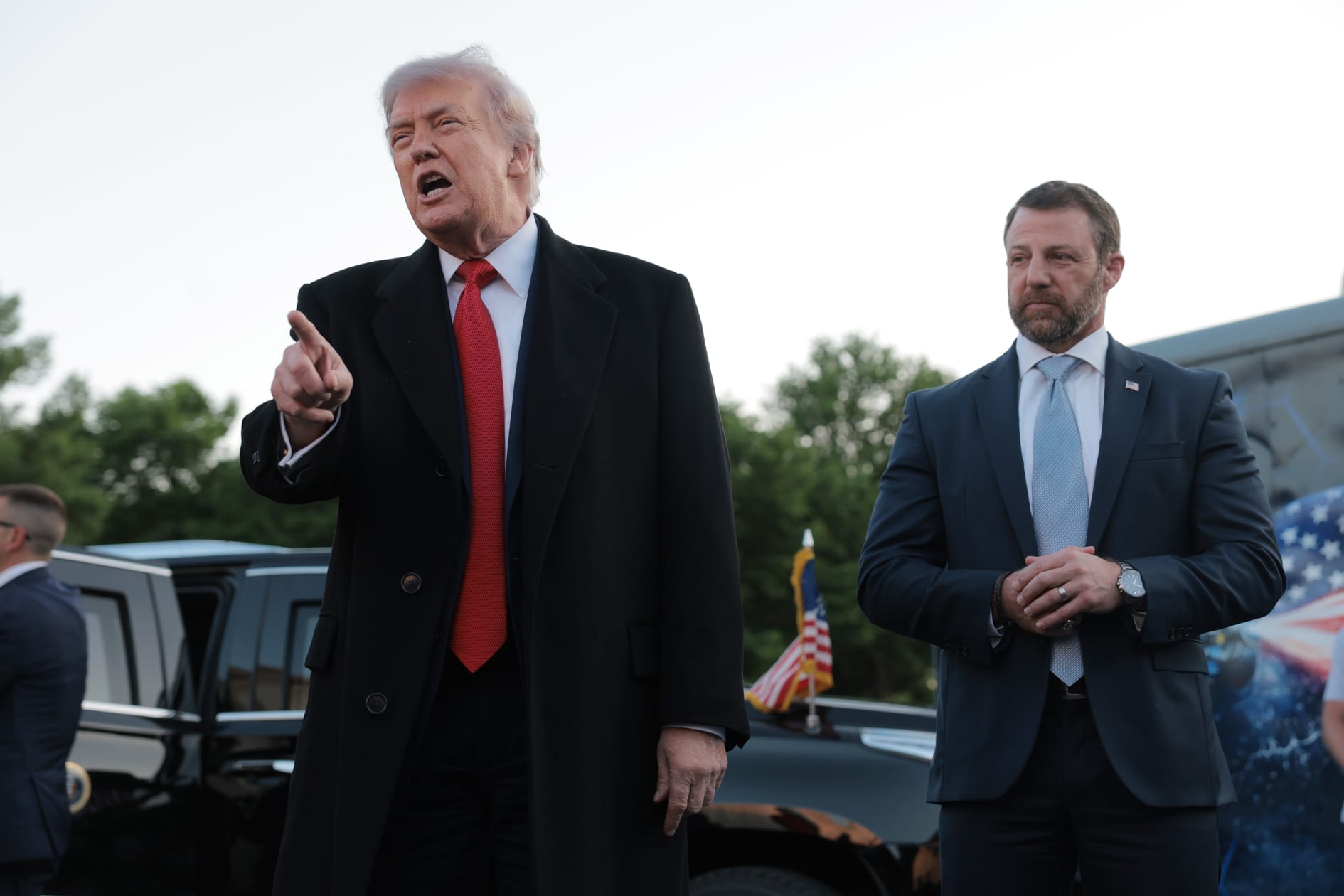
Former President Donald Trump is expected to move quickly toward alternative tariff measures after a federal trade court struck down his latest tariff plan, creating fresh uncertainty around U.S. trade policy and global markets.
The recent ruling by the U.S. Court of International Trade represents another legal setback for Trump’s aggressive trade agenda. The court ruled that the administration exceeded its authority in imposing a new round of broad tariffs under existing trade laws. While the ruling only applies to a limited group of plaintiffs for now, analysts believe the decision could trigger additional legal challenges from businesses affected by the tariffs.
Despite the legal defeat, trade experts believe the Trump administration is unlikely to retreat from its protectionist strategy. Instead, officials are expected to fast-track alternative tariff programs using different sections of U.S. trade law that may provide stronger legal footing.
One of the most likely alternatives involves Section 301 of the Trade Act, which allows the United States government to impose tariffs in response to unfair foreign trade practices. This approach was previously used during Trump’s trade conflict with China and remains one of the administration’s most powerful trade enforcement tools.
Analysts say additional tariffs could also emerge through Section 232 investigations, which focus on national security concerns involving imported goods. These measures have historically targeted industries such as steel, aluminum, semiconductors, and automotive manufacturing.
The latest court decision has intensified debate over presidential authority in trade policy. Critics argue that the executive branch has expanded tariff powers beyond what Congress originally intended. Supporters of Trump’s policies, however, claim aggressive tariffs are necessary to protect American manufacturing and reduce dependence on foreign supply chains.
Financial markets reacted cautiously to the court ruling. Investors are attempting to assess whether the administration’s next move could reignite global trade tensions or create further uncertainty for multinational corporations. Several retail, industrial, and technology companies remain especially vulnerable to shifting import duties and supply chain disruptions.
Economists warn that prolonged tariff disputes could increase costs for businesses and consumers alike. Higher import taxes often lead to rising prices on consumer goods, industrial equipment, and raw materials. Businesses that rely heavily on imported components may face additional financial pressure if new tariffs are introduced quickly.
At the same time, some domestic manufacturers support the administration’s approach, arguing that tariffs help level the playing field against heavily subsidized foreign competitors. Trump has repeatedly defended tariffs as a tool for encouraging companies to shift production back to the United States.
Legal experts expect the administration to appeal the trade court ruling. However, appeals could take months to resolve, increasing the likelihood that officials will pursue alternative tariff pathways while the case moves through the legal system.
The tariff debate is also expected to become a major political issue ahead of future elections. Trade policy remains one of the defining features of Trump’s economic platform, particularly among voters who support stronger industrial protection and tougher trade negotiations with China and other major trading partners.
For global markets, the uncertainty surrounding future U.S. tariffs continues to create volatility across multiple sectors. Investors, businesses, and policymakers are closely monitoring whether the administration’s next steps will escalate trade tensions or lead to broader negotiations with international partners.
While the latest court ruling temporarily disrupted Trump’s newest tariff strategy, analysts believe the administration is already preparing new mechanisms to continue its broader trade agenda in the months ahead.



