Exploring the Complex Relationship Between Iran and the USA
The intricate relationship between Iran and the USA has been a focal point of international diplomacy and geopolitics for decades. From historical conflicts to recent diplomatic efforts, the interplay between these two nations affects numerous global issues. This article delves into the multifaceted nature of Iran-USA relations, examining historical contexts, current dynamics, and future possibilities.
Historical Context: A Timeline of Key Events
The relationship between Iran and the USA dates back to the mid-20th century, marked by pivotal events that have shaped the current geopolitical landscape. One of the earliest significant incidents was the 1953 CIA-backed coup that ousted Iran’s Prime Minister Mohammad Mossadegh. This move, primarily aiming to secure Western oil interests, left a lasting impact on Iranian attitudes toward the West.
The Iranian Revolution in 1979 marked another turning point. The overthrow of the Shah, a staunch American ally, and the establishment of the Islamic Republic led to a strained relationship. The subsequent hostage crisis, where 52 American diplomats and citizens were held for 444 days, further exacerbated tensions.
Economic Sanctions and Their Implications
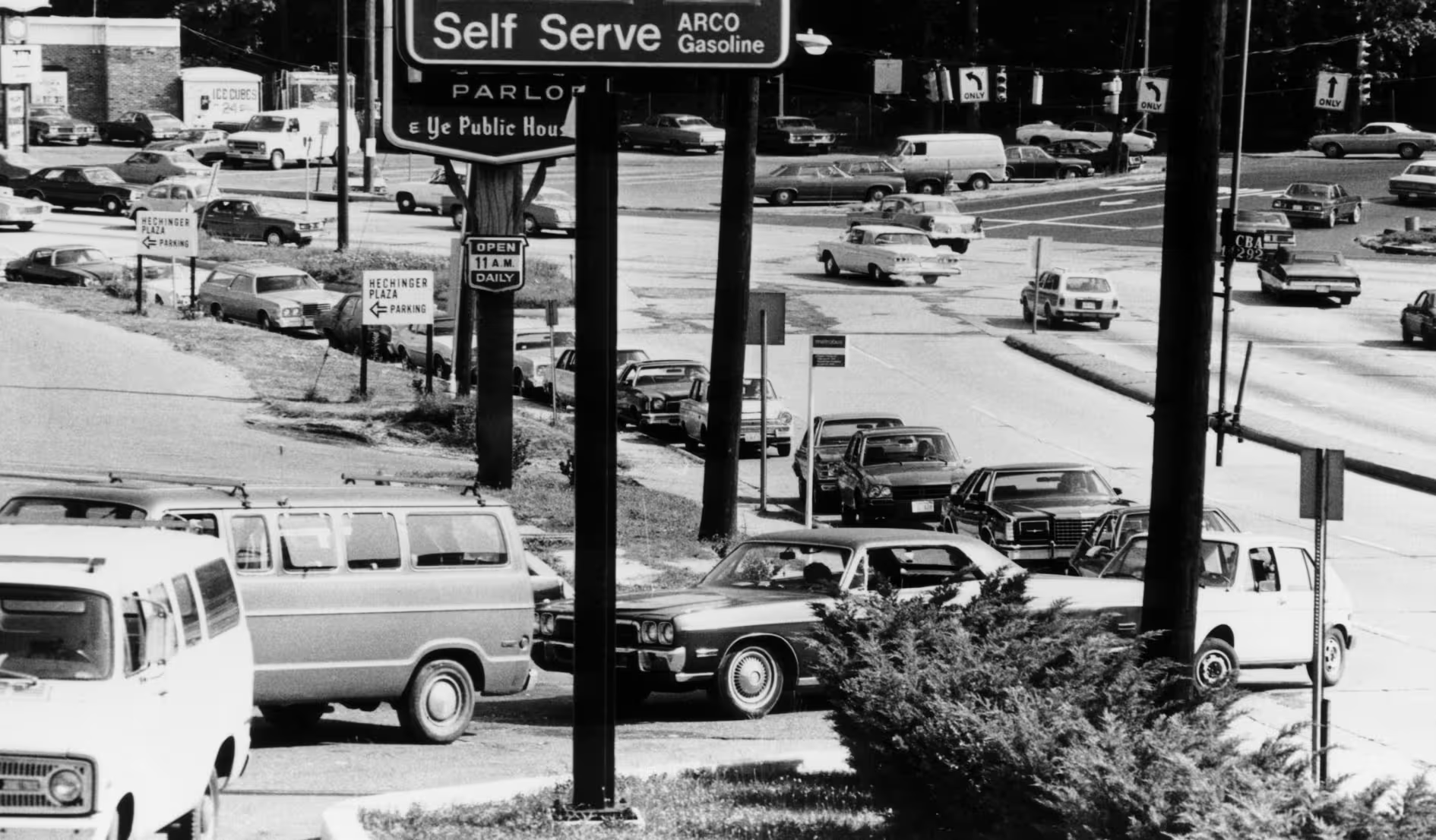
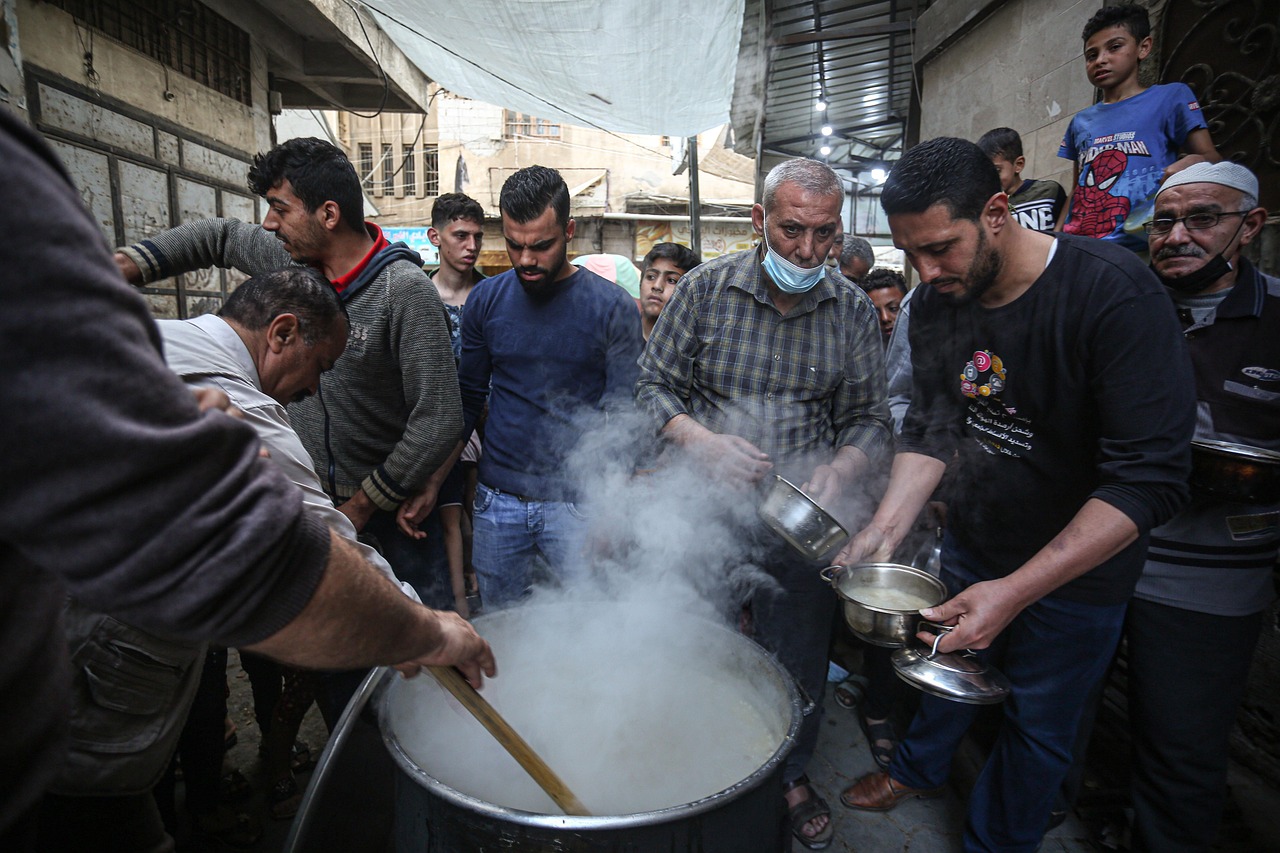
Economic sanctions have been a cornerstone of US policy towards Iran, primarily aimed at curbing Iran’s nuclear program. Over the years, these sanctions have evolved, impacting various sectors of Iran’s economy, from oil exports to banking. Despite their intended purpose, sanctions have also had significant humanitarian impacts, affecting ordinary citizens.
Recent rounds of sanctions, particularly those re-imposed following the US withdrawal from the Joint Comprehensive Plan of Action (JCPOA) in 2018, have intensified economic pressures. The US government’s rationale was to bring Iran back to the negotiating table, yet it has also led to increased tensions in the region.
Nuclear Negotiations: The Quest for Stability
The JCPOA, commonly known as the Iran nuclear deal, was a landmark agreement aimed at preventing Iran from developing nuclear weapons in exchange for sanction relief. The deal, reached in 2015, involved several world powers, including the USA, and was seen as a diplomatic success.

However, the US’s unilateral withdrawal in 2018 altered the dynamics significantly. Iran’s subsequent steps to reduce compliance with the deal have led to ongoing diplomatic efforts to salvage the agreement. The situation remains fluid, with international stakeholders seeking a sustainable resolution.
Regional Influence and Proxy Dynamics
Iran’s influence in the Middle East is another crucial factor in its relationship with the USA. Iran’s support for various proxy groups across the region, including Hezbollah in Lebanon and the Houthis in Yemen, has been a point of contention. These alliances are seen as efforts to expand Iran’s regional power, often clashing with US interests and those of its allies, particularly Saudi Arabia and Israel.
The USA’s military presence in the region, coupled with its alliances, complicates the strategic calculus. Efforts to address these proxy dynamics are ongoing, with varied success in reducing tensions and fostering stability.
Cultural and Societal Perspectives
The cultural and societal aspects of Iran-USA relations are often overshadowed by political and military issues. However, these dimensions play a critical role in shaping perceptions and potential diplomatic outcomes. The Iranian diaspora in the USA, for example, acts as a bridge between the two cultures, fostering mutual understanding and dialogue.
Additionally, cultural exchanges and educational opportunities, although limited, have the potential to improve bilateral relations over time. Initiatives that encourage people-to-people contact can build trust and reduce stereotypes, paving the way for more constructive engagement.
Human Rights Concerns
Human rights issues are another significant aspect of the Iran-USA relationship. The US government has frequently criticized Iran’s human rights record, citing restrictions on freedom of expression, political repression, and treatment of minorities. These concerns often feature prominently in diplomatic discussions and influence policy decisions.
While human rights advocacy is crucial, it also presents challenges in diplomatic negotiations. Balancing these concerns with strategic interests requires nuanced approaches and ongoing dialogue, with a focus on achieving tangible improvements in human rights conditions.
The Role of International Organizations
International organizations, such as the United Nations, play a vital role in mediating and facilitating dialogue between Iran and the USA. The UN has been instrumental in nuclear negotiations, providing a platform for multilateral discussions and agreements.
Besides the UN, other organizations like the European Union have also sought to mediate tensions and encourage diplomatic solutions. Their involvement underscores the complexity of the relationship and the necessity of a collaborative approach to address global challenges.
Future Prospects and Challenges
Looking ahead, the future of Iran-USA relations remains uncertain yet full of potential. Key factors influencing future dynamics include changes in political leadership, regional developments, and global geopolitical shifts. The Biden administration has expressed interest in returning to the nuclear deal, offering a potential pathway to improved relations.
However, challenges persist, including deep-seated mistrust, regional rivalries, and domestic political pressures in both countries. Addressing these issues will require sustained diplomatic efforts, creative problem-solving, and a commitment to dialogue.
Conclusion: Navigating a Complex Relationship
The relationship between Iran and the USA is a complex tapestry woven with historical grievances, strategic interests, and cultural nuances. While challenges abound, opportunities for positive change exist through diplomacy, dialogue, and mutual understanding.
Ultimately, the path forward lies in recognizing shared interests and fostering cooperation on global issues such as nuclear proliferation, regional stability, and human rights. As both nations navigate this intricate relationship, the international community’s role in supporting constructive engagement remains crucial.
Public Perception and Media Influence
Public perception in both Iran and the USA is heavily influenced by media portrayals, which often highlight conflicts and controversies. This can exacerbate misunderstandings and hinder diplomatic efforts. In the USA, media outlets frequently cover Iran in the context of nuclear threats or regional conflicts, which can skew public opinion towards a more adversarial stance.
Conversely, Iranian media often portrays the USA as a hostile force intent on undermining Iranian sovereignty. Overcoming these narratives requires media literacy and efforts to present balanced, nuanced perspectives. Initiatives that encourage cross-cultural journalism and dialogue can help bridge the gap and foster greater understanding.
Environmental and Economic Cooperation
Despite the challenges, there are areas where Iran and the USA could cooperate for mutual benefit. Environmental challenges, such as water scarcity and climate change, transcend national borders and require collaborative solutions. Initiatives that focus on these shared concerns could pave the way for improved relations.
Economic collaboration could also offer significant benefits. While sanctions currently limit opportunities, a potential easing of restrictions could open up new markets and investment opportunities. This economic angle offers a pragmatic path towards rebuilding trust and fostering peace.
Engagement through Technology and Innovation
Advancements in technology provide new avenues for engagement between Iran and the USA. Digital diplomacy, facilitated by social media platforms, allows for direct communication and exchange between citizens. This grassroots level of engagement can complement official diplomatic efforts and promote mutual understanding.
Innovation and technology sectors, particularly in areas such as healthcare and education, offer further opportunities for cooperation. By focusing on these non-political sectors, both nations can build a foundation of trust and collaboration that may influence broader diplomatic relations.
Educational and Cultural Exchanges
Educational and cultural exchanges are powerful tools for building bridges between nations. Programs that allow students and professionals to study and work in each other’s countries can foster long-term relationships and understanding. These exchanges help dispel myths and stereotypes, promoting a more nuanced view of each country.

The Fulbright Program, for example, has historically facilitated such exchanges, providing a platform for cultural dialogue. Expanding these programs and ensuring their accessibility can contribute significantly to improving Iran-USA relations.
Conclusion: The Path Forward
The relationship between Iran and the USA is marked by complexity and opportunity. While historical grievances and current challenges pose significant obstacles, there are numerous pathways for positive engagement. By focusing on shared interests, such as environmental concerns, economic opportunities, and cultural exchanges, both nations can work towards a more collaborative future.
Ultimately, the success of these efforts depends on the willingness of both countries to engage in sustained dialogue, supported by the international community. As global dynamics continue to evolve, Iran and the USA have the chance to redefine their relationship, moving from a history of conflict towards a future of cooperation and mutual respect.
The Impact of Leadership Changes
Leadership changes in both Iran and the USA can significantly influence the trajectory of bilateral relations. In the USA, shifts in administration often bring new foreign policy priorities and strategies. For example, the transition from the Trump to the Biden administration marked a shift towards a more diplomatic approach concerning the Iran nuclear deal.
Similarly, leadership changes within Iran can affect its foreign policy stance. The election of a new Iranian president or changes within the Supreme Leader’s circle can lead to shifts in how Iran engages with the international community, including the USA. Understanding these dynamics is crucial for predicting potential changes in diplomatic relations.
International Mediation and Peacebuilding Efforts
International mediation plays a vital role in mitigating tensions between Iran and the USA. Countries that maintain positive relations with both nations, such as Switzerland or Oman, often act as intermediaries. Their neutral stance allows for backchannel communications and confidence-building measures.
Peacebuilding efforts, supported by international organizations, aim to create frameworks that facilitate dialogue and understanding. These initiatives often involve multiple stakeholders, including civil society, and focus on long-term solutions to underlying conflicts. Successful mediation can lead to de-escalation and pave the way for more formal diplomatic engagements.

The Role of Non-Governmental Organizations
Non-governmental organizations (NGOs) are pivotal in fostering dialogue and cooperation. They operate in various fields, including human rights, education, and environmental sustainability. NGOs often provide platforms for engagement that are less formal than governmental channels, allowing for innovative approaches to conflict resolution.
For instance, NGOs focusing on environmental issues can bring experts from both countries together to address shared challenges, promoting collaboration outside political constraints. These collaborative efforts can build trust and demonstrate the potential for cooperation despite broader political tensions.
Civic Engagement and Advocacy
Civic engagement and advocacy in both nations can influence policy and public perception. Grassroots movements and advocacy groups play a critical role in shaping discourse and pushing for changes in foreign policy. In the USA, organizations that promote diplomatic solutions and oppose military interventions work to shift public opinion and influence policymakers.
In Iran, civic groups focus on promoting reform and greater engagement with the international community. While they face significant challenges, their efforts contribute to a broader push for change. Supporting these groups can lead to a more informed and engaged populace, which in turn can affect national policies.
Conclusion: Building a Sustainable Relationship
The future of Iran-USA relations hinges on the ability to navigate a complex web of historical grievances, current challenges, and potential opportunities. By leveraging diplomatic channels, encouraging cultural exchanges, and focusing on shared global concerns, both nations can work towards a sustainable and peaceful relationship.
As both countries continue to evolve, the international community’s role in supporting dialogue and cooperation remains crucial. By fostering an environment that prioritizes diplomacy and mutual understanding, Iran and the USA can move towards a future defined not by conflict, but by collaboration and shared progress.
In conclusion, while the road ahead is fraught with challenges, the potential for positive change exists. Through sustained efforts and a commitment to dialogue, Iran and the USA can redefine their relationship for the benefit of their citizens and the broader global community.